
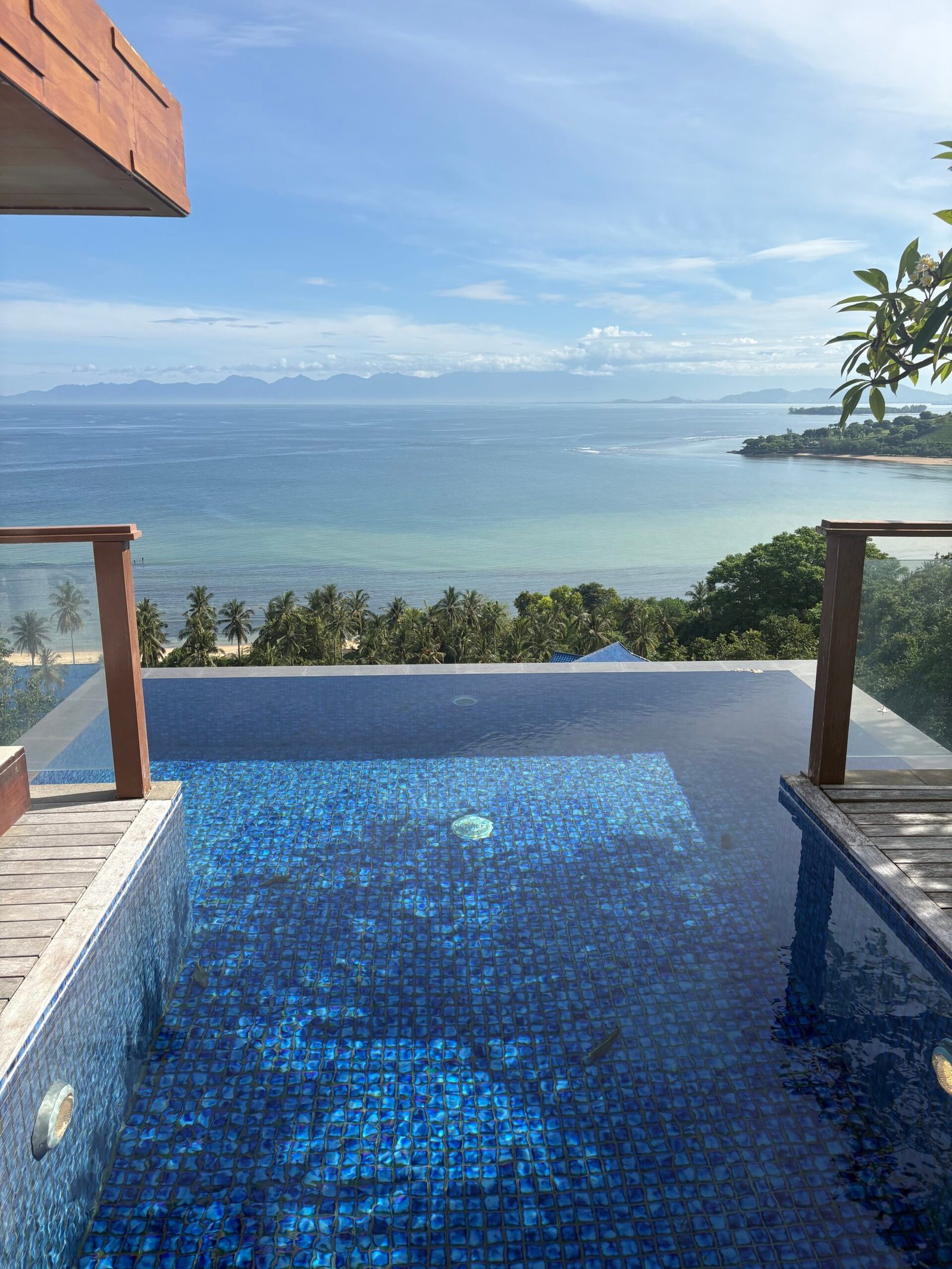
Every few years, another Indonesian island is introduced as “the next Bali.” I recently made the case that the label makes little sense for Rote Island. Lombok is a more complicated example because the scale of development is far greater.
Lombok has an international airport, a MotoGP circuit, a government-backed tourism zone, established resorts, surf towns, trekking routes, and direct flights to regional hubs. Major hospitality groups are investing. In July 2026, the Rafa Nadal Academy confirmed plans for its first tennis center in Southeast Asia on the island.
It is easy to assemble those facts and conclude that Lombok is on its way to becoming another Bali. I do not think it will happen.
Lombok may become busier, more expensive, better connected, and much more visible internationally. Parts of the south will probably change dramatically. Development, however, does not erase the cultural, geographic, and economic differences that shape how an entire destination functions.
The comparison is not new. In 2019, AirAsia published an announcement literally titled “Lombok to become the new Bali” when it launched direct flights from Perth. Seven years later, the headline remains useful marketing. It is still a poor description of Lombok’s future.
What is Rafael Nadal actually planning in Lombok?
On July 27, 2026, the Rafa Nadal Academy officially announced that its first Rafa Nadal Tennis Center in Southeast Asia would open at Samara Lombok, on the island’s southern coast. The current target is the first quarter of 2028.
The center is planned with four tennis courts and four padel courts. It will offer programs for different ages and levels using the training methodology developed by Nadal and his team. Rafael Nadal himself is not moving to Lombok to build a court. No professional tournament has been announced, and his presence at the opening has not been confirmed.
The rumor makes the project sound like a single celebrity court with a future competition attached. The official plan is broader. The center will sit inside Samara Lombok, an integrated resort and residential development with hotels, villas, dining, wellness, water sports, and family facilities.
Hyatt had already announced Samara Lombok in May 2025 as the first Destination by Hyatt property in Southeast Asia. The newest announcement now points to an opening in early 2028, rather than the earlier 2027 target. Resort pipelines change, and the current dates remain projections.
The combination of Hyatt, branded residences, and the Nadal name tells us that international investors see potential in Lombok. It says far less about the future identity of the island. Global hotel brands operate in dozens of destinations without making those places interchangeable. A sports academy inside one resort will not reproduce the social and commercial fabric that took decades to develop in Bali.
Is Lombok the next Bali? Mandalika may become a new Nusa Dua
The strongest argument behind the “next Bali” claim is Mandalika. The state-owned Indonesia Tourism Development Corporation explicitly describes The Mandalika as one of the country’s “10 New Balis.” The language came from a national effort to distribute tourism investment beyond Bali. It was a development slogan, not a prediction that ten places would eventually function like the island itself.
The investment behind Mandalika is real. The Pertamina Mandalika International Circuit brought the Indonesian MotoGP to Lombok and gave the island a recurring event with a global audience. Roads, hotels, public spaces, and visitor services have developed around it. Kuta Lombok, once mainly known among surfers and backpackers, now sits beside a government-backed tourism and sports district.
During the 2025 Indonesian Grand Prix, ITDC reported 100 percent hotel occupancy in Mandalika, an average of 93 percent across Lombok, and 44 additional flights operated for the event period. Those figures describe an exceptional weekend. They should not be read as evidence of normal year-round demand.
Mandalika could become Lombok’s answer to Nusa Dua: a planned district with major resorts, events, infrastructure, and a controlled visitor experience. Nusa Dua is only one part of Bali. It does not explain Ubud, Canggu, Sanur, Sidemen, the north coast, or the thousands of businesses that fill the spaces between them. A successful Mandalika would still be a tourism enclave within a much larger and more varied island.
Bali is an ecosystem, not a collection of resorts
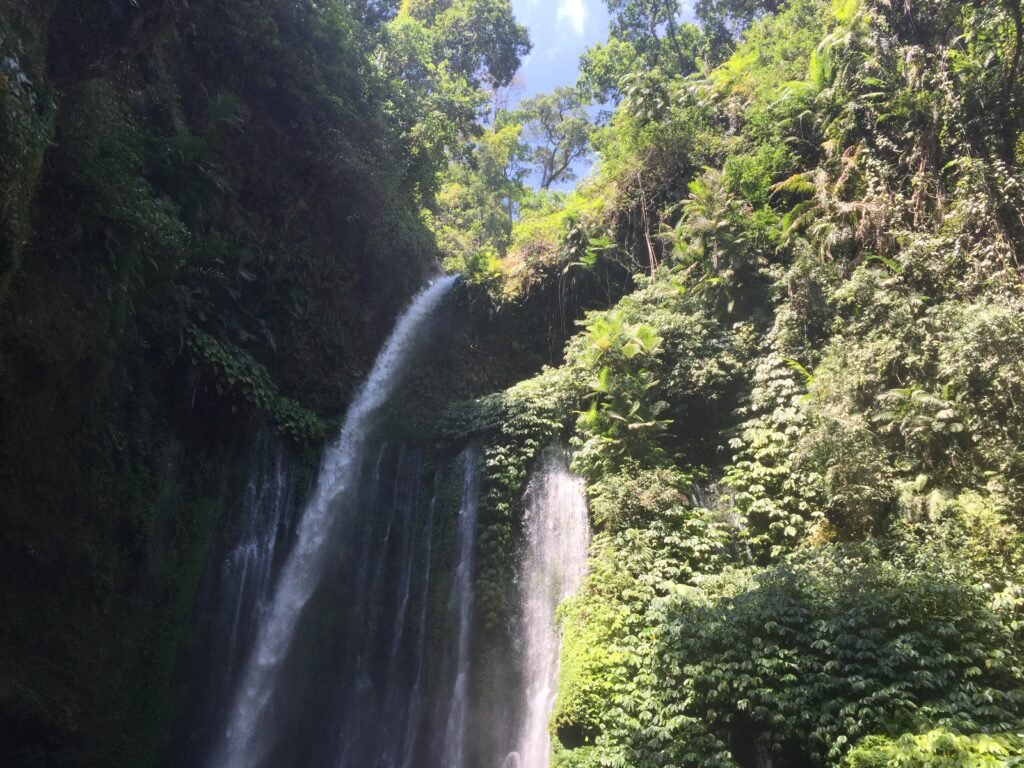
Bali did not become Bali because enough five-star hotels opened. Its global appeal grew through the accumulation of countless layers: family-run guesthouses, temples, ceremonies, restaurants, beach clubs, yoga studios, design businesses, nightlife, surf communities, international schools, long-stay residents, creative industries, and an enormous network of local services.
That density gives travelers an unusual amount of choice. A visitor can move from a resort to a village, from a fine-dining restaurant to a family warung, and from a coworking space to a ceremony within the same trip. It also supports stays ranging from a weekend to several months.
Lombok’s tourism is organized in separate pockets. The south has Kuta, Mandalika, surf beaches, and fast villa development. The northwest has Senggigi, Sire, and access to the Gili Islands. The north and east serve travelers heading toward waterfalls, villages, and Mount Rinjani. Long transfers separate these areas, and each attracts a different type of visitor. More hotels will strengthen those pockets without automatically connecting them into a Bali-style ecosystem.
International hotel brands confirm growth, not imitation
Luxury development is accelerating. The Sira, a Luxury Collection Resort & Spa, opened in November 2024 on the island’s northwest coast. Samara is building a broader resort and residential proposition in the south. Global groups now place Lombok inside their international portfolios rather than treating it only as a side trip from Bali.
This will change what the island can offer. Families may have more high-end options. Sports and wellness travel may grow. Better restaurants and services will follow investment, particularly around the south. Property development will continue, and some coastal areas will feel much more polished than they do today.
The same pattern can be found in emerging resort destinations around the world. International investment creates new tourism products, jobs, and pressure on land and infrastructure. It does not give every destination Bali’s culture, settlement pattern, business diversity, or global community.
Culture will keep the two islands fundamentally different
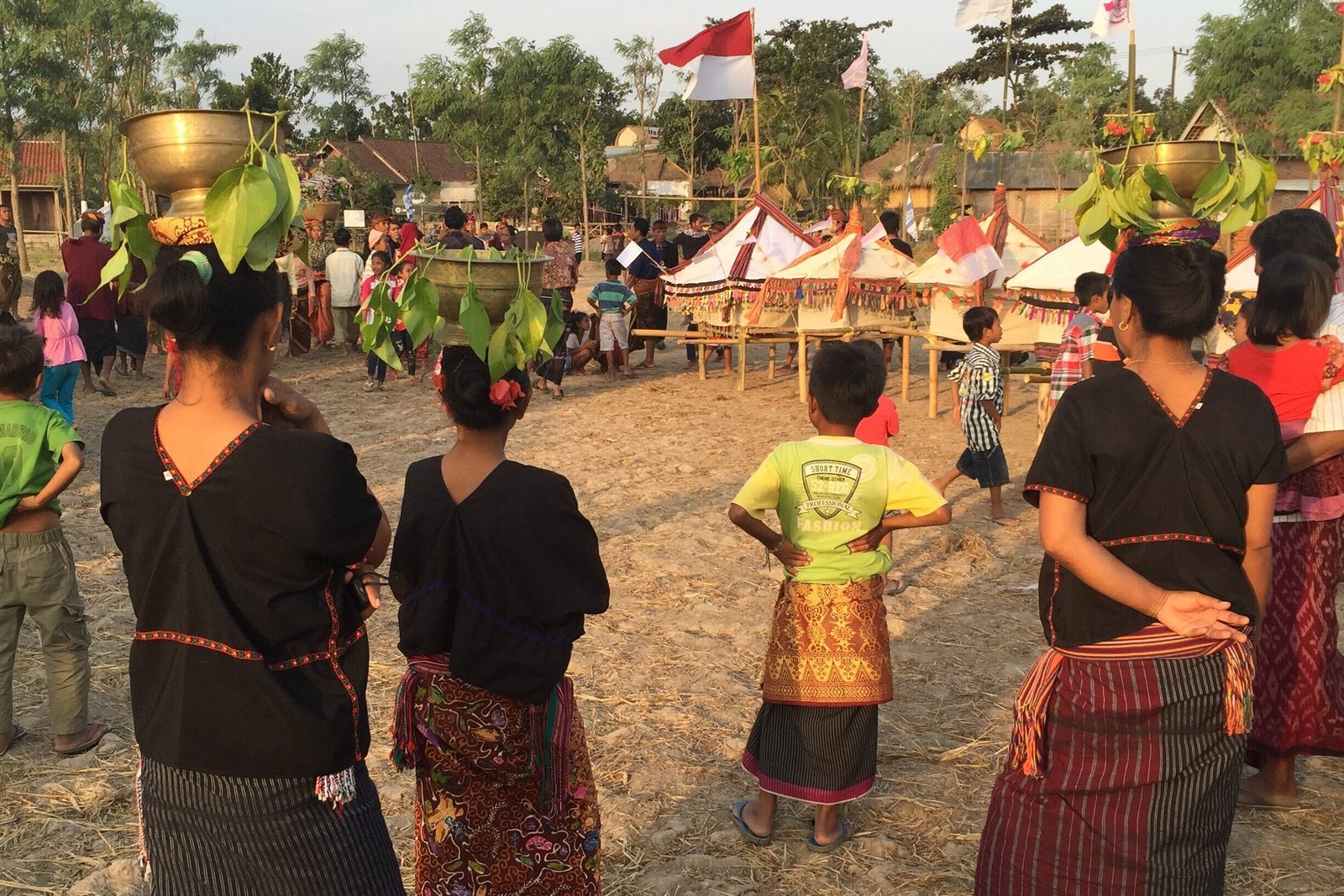
Bali’s tourism is inseparable from Balinese Hindu life. Temples, offerings, religious calendars, processions, architecture, dance, and ceremonies are visible in everyday spaces. They shape the landscape that visitors move through and the rhythm of businesses around them. Even highly commercial areas remain recognizably Balinese.
Lombok is predominantly Muslim and shaped by Sasak culture, with its own villages, traditions, architecture, food, music, and social rhythms. The island also has Balinese communities and a long history of movement between the two islands, but their dominant cultural environments remain distinct.
This matters because tourism grows around local life. The types of entertainment that develop, the atmosphere of towns, the pace of evenings, the design of public spaces, and the relationship between tourism and community do not emerge from hotel investment alone. Lombok will absorb outside influences in its own way.
Connectivity will grow, but Bali’s scale is in another category
Bali recorded 6,948,754 direct foreign arrivals in 2025, according to the Bali provincial statistics office. Its airport handled 39,115 international departures that year. Those numbers support an enormous tourism economy and direct access from a wide range of international markets.
Lombok does have direct links to regional hubs, including Singapore and Kuala Lumpur. Many travelers coming from Europe or North America still connect through Singapore, Kuala Lumpur, Jakarta, or Bali. Regional access can improve considerably in the coming years, especially if new resorts create steady demand.
Even a major expansion would begin from a very different base. Bali has decades of international recognition, repeat visitors, long-stay communities, aviation capacity, and businesses built specifically around foreign demand. Lombok does not need to match those numbers to succeed. Reaching them would create a different set of problems and would still not make the island culturally or structurally Balinese.
Parts of South Lombok may start to resemble South Bali
This is the one part of the comparison I would not dismiss. Kuta Lombok is already changing. New cafes, villas, construction sites, higher land prices, and a growing international community can make certain streets feel closer to the earlier stages of Canggu or Uluwatu.
That resemblance may become stronger as Mandalika and Samara develop. Traffic, water pressure, waste, rapid construction, and land speculation can also follow. Lombok has an opportunity to learn from the parts of Bali where tourism grew faster than infrastructure and community protections.
A few neighborhoods taking on a familiar development pattern does not mean the entire island is becoming Bali. South Lombok is one region. Senggigi, Sire, the Rinjani foothills, the east coast, and rural Sasak communities will continue to evolve at different speeds and for different markets.
What Lombok is more likely to become
Lombok is likely to become one of Indonesia’s most important destinations beyond Bali. The south may develop into a major surf, resort, and sports hub. The northwest can continue serving luxury beach stays and Gili connections. Rinjani will remain a strong adventure draw, while villages, waterfalls, and quieter coastlines support smaller-scale travel.
That future may bring more direct flights, higher-quality hotels, better dining, and a wider choice of experiences. It may also bring crowding and overdevelopment in selected areas. The result will look like a more internationally connected Lombok, with several distinct tourism centers rather than one island-wide version of Bali.
This distinction is important for travelers. Calling Lombok the next Bali encourages people to expect Bali’s restaurant density, nightlife, cultural landscape, shopping, and infrastructure with fewer crowds. Lombok offers a different balance of space, nature, adventure, and resort travel. Some people will prefer it. Others will miss the convenience and variety they associate with Bali.
What this means for travelers planning Lombok now
A trip to Lombok in 2026 should begin with the experience you actually want. The south makes sense for surf, beaches, and the fast-changing Kuta and Mandalika area. The northwest suits travelers looking for established resorts and access to the Gili Islands. The north and east connect more naturally with waterfalls, villages, and Rinjani, but they require more road time.
If Mount Rinjani is part of your plans, read our guide to hiking Mount Rinjani before deciding how many days to allocate. Trying to combine every side of the island in a short stay usually creates more time in the car than people expect.
Expecting a smaller Bali usually leads to the wrong hotel, the wrong base, or too much time on the road. Lombok works best when its regions are treated as separate choices, each suited to a different pace and style of trip.
My verdict
Lombok will become more developed. Mandalika, MotoGP, international hotel brands, and improving regional access make that clear. The Rafa Nadal Tennis Center adds another recognizable name to the island’s investment story.
It still will not become the new Bali. Nadal’s academy is opening a sports center inside one integrated resort. Mandalika is building a tourism district. Neither project can reproduce Bali’s culture, density, aviation network, creative economy, long-stay community, or decades of accumulated tourism infrastructure.
Lombok does not need that comparison. Its strongest future is one in which visitors understand why it feels different and choose it for exactly that reason. The island may become globally important, but it will do so as Lombok.
Planning a Lombok journey? The right coast, pace, season, and transfers matter more than the number of places on your list. Indo by Design creates tailor-made journeys around how you want to travel. Start planning your journey.