
Indonesia lends itself to long, unhurried journeys. With more than 17,000 islands spread across three time zones, trying to see too much usually means spending half the trip in airports.
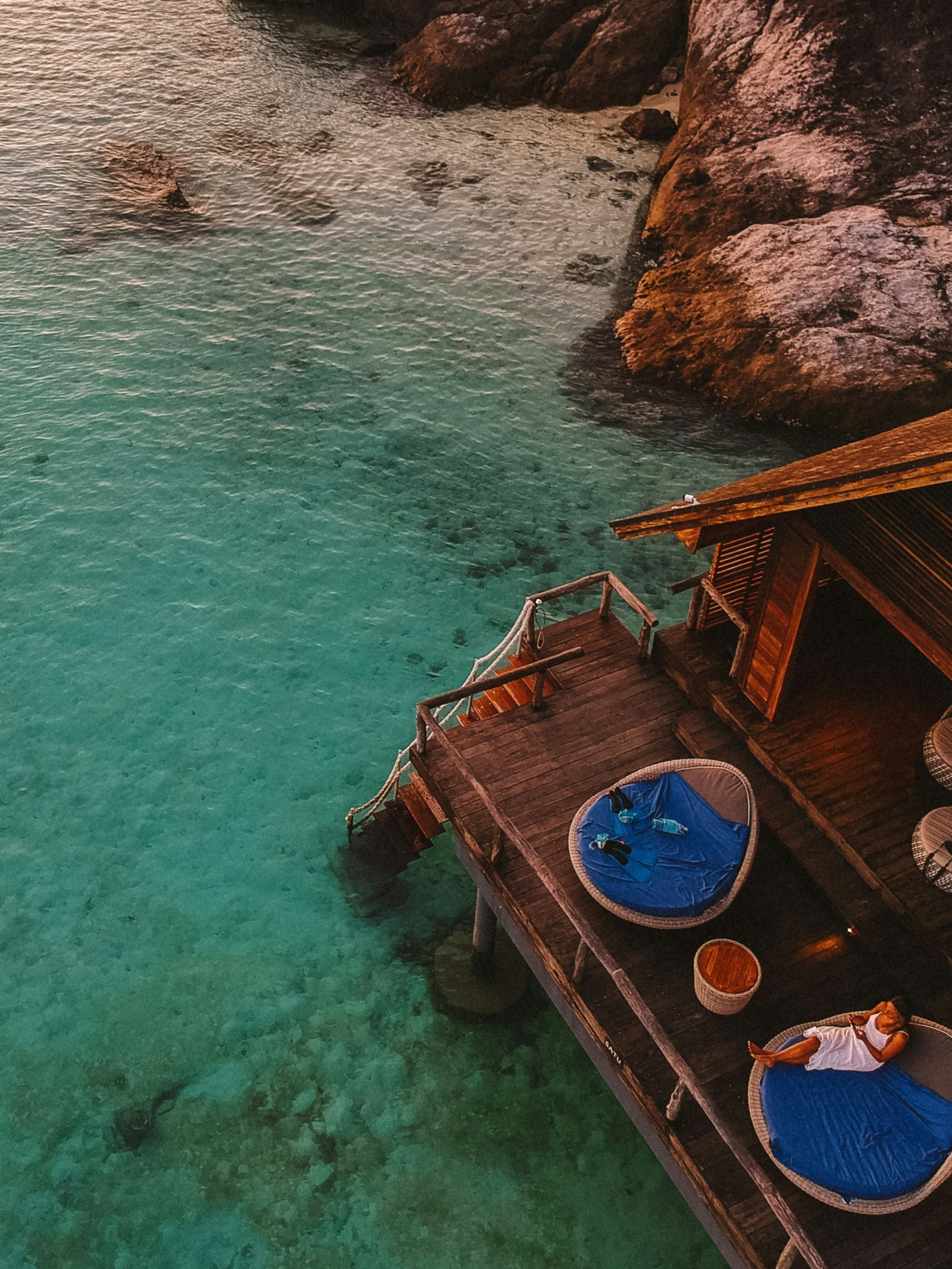
This 15-day luxury Indonesia itinerary focuses on three very different parts of the country. It begins among the temples and villages of Central Java, continues through the open landscapes of Sumba and ends on a private island in the remote Anambas Archipelago.
There is no obligatory stop in Seminyak, no race around Bali’s busiest landmarks and no attempt to cover five islands in ten days. The journey leaves enough time to settle into each place and enjoy where you are.
Table of Contents
Luxury Indonesia Itinerary at a Glance
| Days | Destination | Recommended stay | Main experiences |
|---|---|---|---|
| 1 to 4 | Central Java | Amanjiwo or a private property near Borobudur | Borobudur, Yogyakarta, Javanese art and village life |
| 5 to 9 | Sumba | Nihi Sumba or Cap Karoso | Traditional villages, coastal landscapes, horse culture and private excursions |
| 10 | Jakarta or Batam | Luxury city hotel | Rest and preparation for the private island transfer |
| 11 to 14 | Bawah Reserve | Overwater bungalow or private villa | Snorkelling, spa treatments, sailing and secluded beaches |
| 15 | Departure | Return by seaplane and continue to Jakarta or Singapore |
Days 1 to 4: Central Java
Day 1: Arrive in Yogyakarta
Begin the journey in Yogyakarta, the cultural heart of Java. From the airport, continue towards the countryside surrounding Borobudur, where rice fields, small villages and the Menoreh Hills replace the traffic of the city.
Amanjiwo is the most established luxury address in the area. Its location overlooking the Kedu Plain makes it an ideal base for exploring Borobudur and the surrounding countryside. The design draws from the architecture of the temple, with stone walkways and a central rotunda framing the landscape.
Keep the first afternoon free. After a long international journey, dinner overlooking the rice fields is a better introduction to Java than a tightly scheduled excursion.
Day 2: Borobudur and the Kedu Valley
Visit Borobudur early in the morning with a knowledgeable private guide. The temple contains hundreds of carved stone panels, and having someone explain their stories makes the visit considerably more meaningful.
Afterwards, have breakfast in the countryside and continue to the nearby Mendut and Pawon temples. Both are much smaller than Borobudur and receive fewer visitors, yet they form part of the same historic Buddhist pilgrimage route.
Spend the afternoon at the hotel or take a gentle walk through the surrounding villages. This part of Central Java is particularly beautiful towards the end of the day, when people return from the fields and the hills begin to catch the softer evening light.
Day 3: Art, Craft and Daily Life in Yogyakarta
Dedicate a full day to Yogyakarta. The city has a deep artistic tradition, although many visitors see little beyond the palace and the main shopping streets.
A private itinerary can include the Sultan’s Palace, a traditional batik workshop and a visit to the studio of a contemporary Javanese artist. Kotagede, Yogyakarta’s historic silver district, is also worth exploring for its narrow lanes, traditional houses and small family workshops.
Lunch can be arranged in a restored Javanese home, followed by coffee at one of the city’s independent roasteries. Return to Borobudur before evening rather than squeezing in another temple.
Day 4: The Menoreh Hills
Use the final day in Java to explore the landscape surrounding Borobudur. Walk through the Menoreh Hills with a local guide, passing cassava fields, clove trees and small settlements rarely visited by international travelers.
For a slower day, arrange a private breakfast overlooking the fields, visit a pottery workshop or enjoy a picnic beside the Progo River. Amanjiwo also offers guided cultural experiences with resident anthropologists for travelers who want a deeper introduction to the region’s history and traditions.
Days 5 to 9: Sumba
Day 5: Travel to Sumba
Fly to Sumba and transfer to the western side of the island. Flight schedules can change, and some journeys require a connection through Bali, so this should remain a dedicated travel day.
The landscape begins to change almost immediately after leaving the airport. Sumba is drier than Java, with rolling grasslands, limestone hills and stretches of coast that still feel remarkably untouched.
Two resorts stand out for a luxury stay. Nihi Sumba is known for its secluded setting, private villas and extensive range of experiences. Cap Karoso offers a more contemporary, design focused atmosphere close to the traditional villages of Southwest Sumba.
The right choice depends on the traveler. Nihi works particularly well for privacy, riding and a classic resort experience. Cap Karoso will appeal to travelers interested in architecture, food and modern Indonesian design.
Day 6: A Quiet First Day
Leave the first full day open. Sumba rewards a slower pace, and the resort itself should be part of the experience.
Swim, book a treatment or spend the morning on the beach. Later in the afternoon, walk along the coast or arrange a private sunset aperitif.
A luxury itinerary does not need a major excursion every day. Some of the most memorable hours in Sumba are spent watching the light move across the hills or listening to the ocean from a quiet terrace.
Day 7: Traditional Villages of Southwest Sumba
Visit several traditional villages with a local guide who understands the customs of the communities. Sumbanese villages are recognizable by their tall thatched roofs and large stone tombs, which sit among the houses as part of daily life.
The island’s Marapu belief system continues to influence ceremonies, architecture and the relationship between families and their ancestors. Visitors should approach the villages with consideration. Appropriate clothing, permission before taking photographs and a guide who already has a relationship with the community are essential.
A private visit allows time for conversation and provides a much more respectful experience than arriving as part of a large group.
Day 8: Coast, Waterfalls and Rice Fields
Explore the coast of Southwest Sumba, stopping at quiet beaches and lagoons along the way. Depending on the season and road conditions, the day may also include a waterfall or a walk through the rice fields.
Distances on a map can be deceptive here. Roads are improving, though travel still takes time. Select two or three places that work well together and enjoy them properly.
Return to the resort in time for sunset rather than spending the final hours of daylight in the car.
Day 9: Choose Your Own Sumba
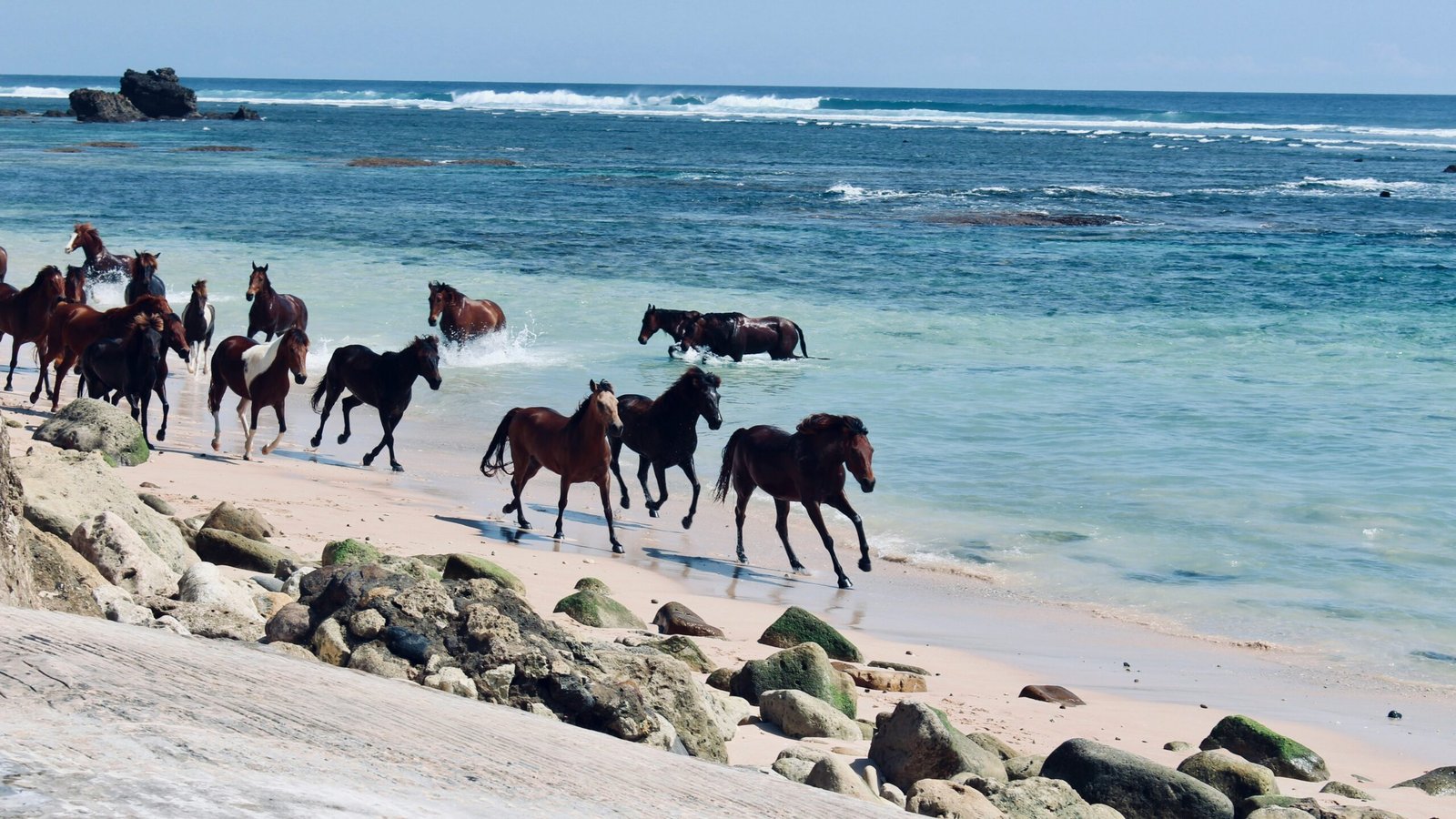
The final day can be shaped around personal interests. Riders may want to explore the coast on one of Sumba’s native Sandalwood horses. Others may prefer a private picnic, a cooking experience, surfing or another day at the resort.
This flexibility is important. By this stage of the journey, some travelers will want one last adventure. Others will be very happy beside the pool with a book.
Day 10: The Journey North
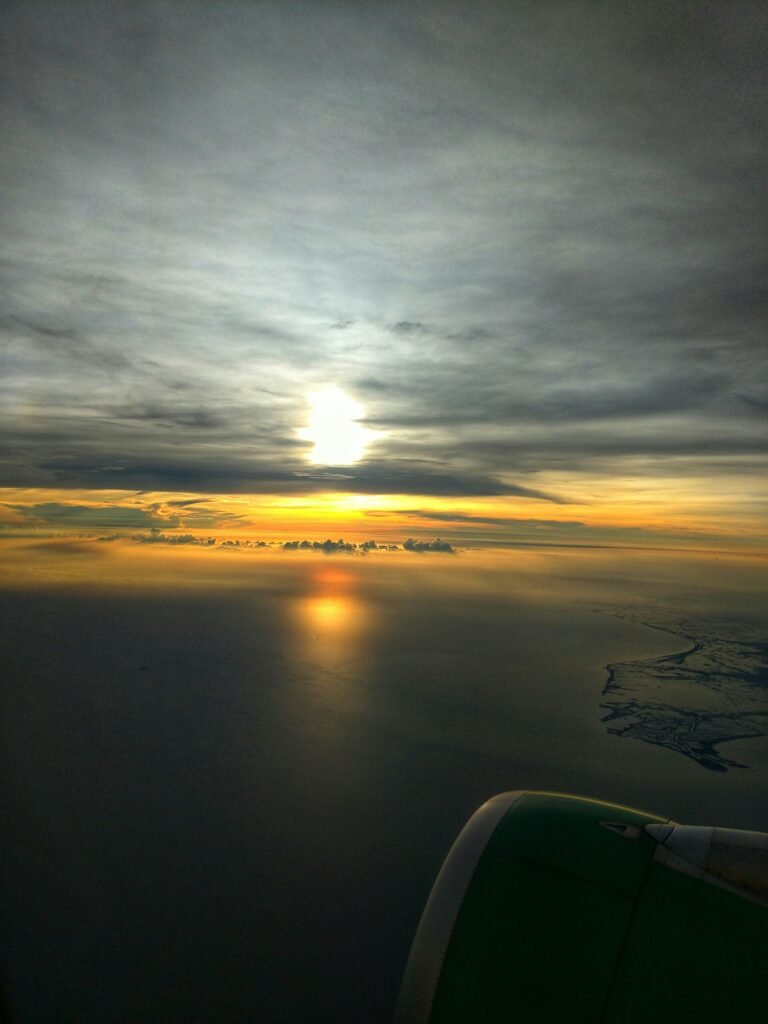
Travelling from Sumba to the Anambas Islands requires coordination. Fly to Jakarta or Batam and spend the night before continuing to Bawah Reserve.
This overnight stop creates a buffer in case of delays and avoids building a complicated sequence of domestic flights and boat transfers into a single day.
For the smoothest journey, flight times, baggage allowances and the seaplane schedule should be checked together before any part of the itinerary is confirmed.
Days 11 to 14: Bawah Reserve
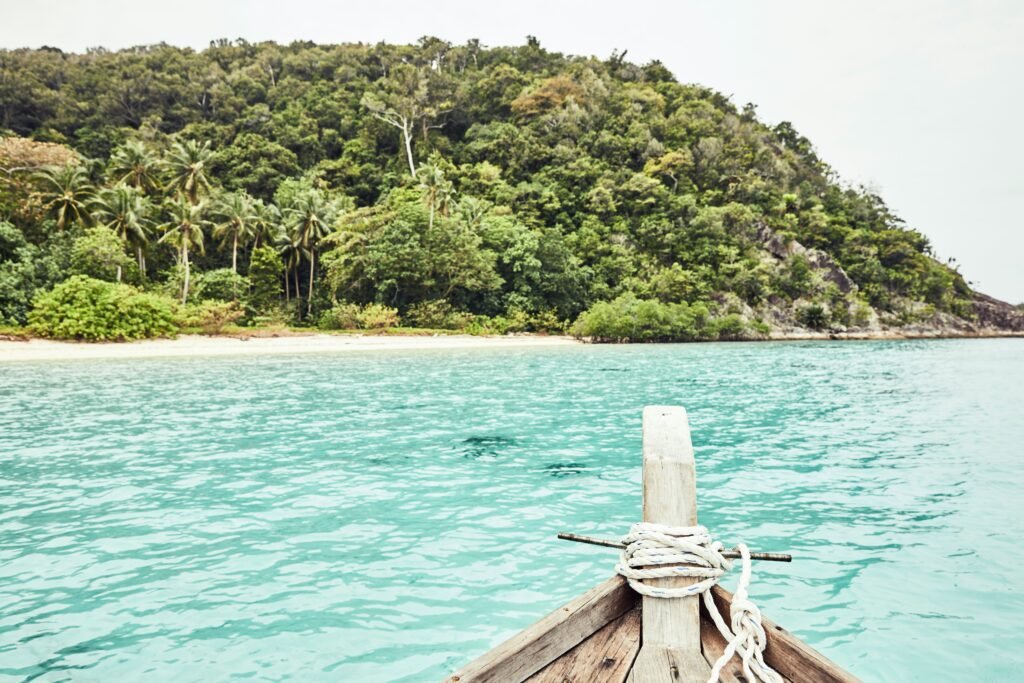
Day 11: Arrive by Seaplane
From Batam, board Bawah Reserve’s private seaplane for the flight into the Anambas Archipelago. The journey takes approximately 75 minutes and ends with a water landing inside the lagoon.
Bawah Reserve extends across six private islands, with three lagoons, 13 beaches and large areas of forest. Its isolation is a major part of its appeal. There are no neighboring resorts and no stream of day visitors arriving by boat.
Choose an overwater bungalow for direct access to the lagoon or a pool villa for additional privacy. Travelers looking for an even more secluded stay can consider Elang, Bawah’s private island accommodation.
Day 12: Explore the Lagoons
Spend the morning snorkeling, kayaking or paddleboarding through the reserve. The water inside the lagoons is generally calm, making it possible to explore directly from the resort.
After lunch, walk one of the island trails or book a spa treatment. Bawah’s nightly rates include a range of meals, activities and a daily spa treatment, although certain private experiences carry an additional charge.
Day 13: A Private Castaway Picnic
Arrange a boat trip to a quiet beach for a private picnic. With six islands spread across the reserve, it is possible to find a secluded corner away from the main resort.
The afternoon can be spent sailing, diving or learning about the marine conservation work taking place around the islands. Bawah also offers coral transplantation and reef monitoring experiences for guests interested in the local ecosystem.
End the day with drinks at sunset or a private dinner overlooking the water.
Day 14: Do Very Little
Keep the last full day almost completely free.
Swim before breakfast, read beside the lagoon, return to the spa or take a final snorkeling trip. After travelling through Java and Sumba, Bawah is a place to stop moving for a while.
A quiet final day also leaves room for the activities guests discover after arriving. The best travel plans provide structure without deciding every hour in advance.
Day 15: Departure
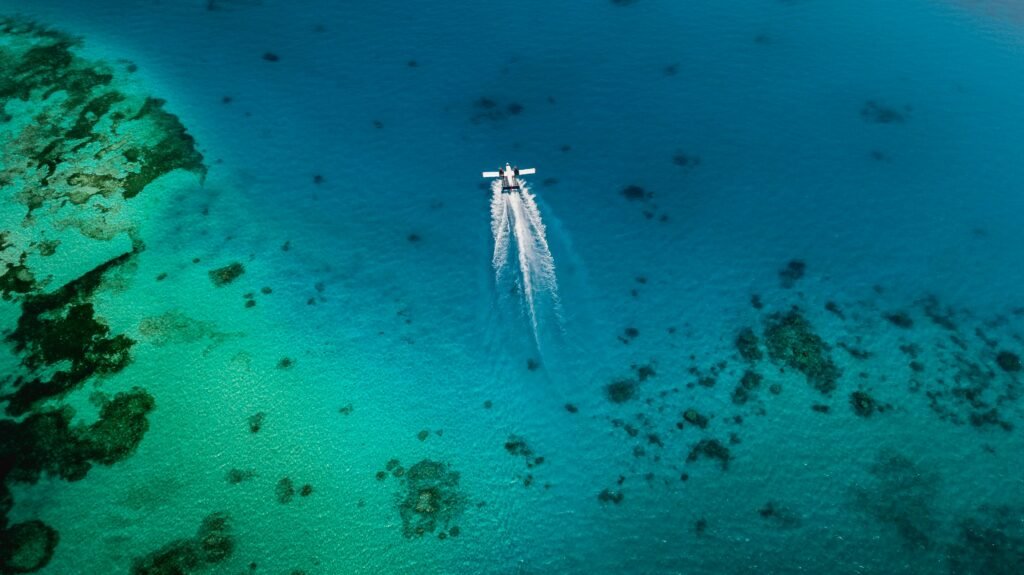
Return to Batam by seaplane and continue to Jakarta or Singapore for the international journey home.
Avoid booking a tight connection after leaving the island. Weather can affect small aircraft, and an extra night in Singapore or Jakarta offers useful protection before a long-haul flight.
When to Take This Trip
The dry season, broadly between May and September, is the most convenient period for this itinerary. Central Java generally sees less rain, Sumba’s landscapes become drier and road travel is easier.
July and August are also among the busiest months. Travelling in May, June or September can offer a better balance of favorable weather and availability.
Conditions vary considerably between Java, Sumba and the Anambas Islands. Current weather patterns and transfer schedules should always be reviewed before confirming the final dates.
What Makes This a Luxury Indonesia Itinerary?
The quality of this journey comes from access, privacy and careful pacing. Private guides provide context in Central Java. A longer stay in Sumba creates time for both the island and the resort. The final days at Bawah offer genuine seclusion in a part of Indonesia most international visitors never reach.
The route also requires thoughtful planning. Domestic flights, long transfers and weather dependent connections need to fit together properly. Building a buffer into the journey makes the entire experience more comfortable.
A Note on Transfers
Arrange the trip around the Bawah Reserve seaplane schedule first. Domestic flights and resort stays can then be organized around those fixed transfer times. This is much safer than booking each section separately and trying to connect them afterwards.
Planning a Bespoke Journey Through Indonesia
This itinerary is an example rather than a fixed package. Every journey created by Indo by Design is adapted to the travelers, their preferred pace, interests, budget and level of comfort.
Your trip may include additional time in Yogyakarta, a different hotel in Sumba or a longer stay in the Anambas Islands. Flights, private guides, accommodations and transfers can all be coordinated as part of the same itinerary.
Ready to plan a journey through Indonesia? Tell us how you would like to travel, and Indo by Design will create an itinerary around you.