
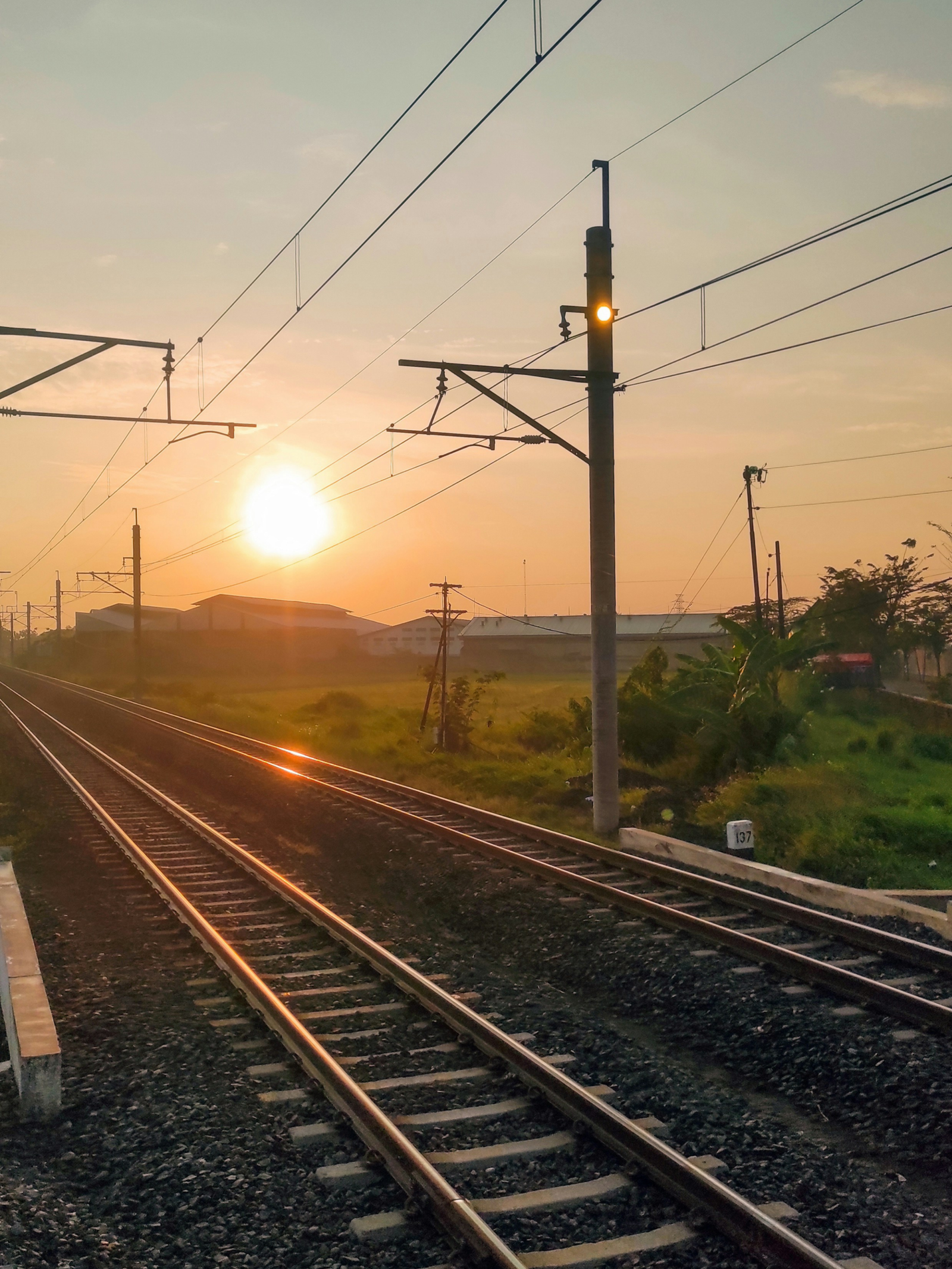
Flying across Java is faster on paper. It also means driving to an airport, checking in, waiting, collecting your luggage and driving back into another city. A train may take longer on the timetable and still feel like the shorter travel day.
You leave from the center of one city, watch rice fields, towns and volcanoes pass the window, then arrive close to the next part of the trip. There is space to read, work, eat or do absolutely nothing.
A well-designed Java train itinerary turns the distance between places into part of the experience. It is also one of the most practical ways to understand the scale and variety of the island without making every transfer feel like lost time.
Table of Contents
What trains in Java are actually like
Long-distance executive-class trains are air-conditioned, reserved and generally comfortable. Seats recline, luggage travels in the carriage and food can be purchased on board. The experience is closer to a modern intercity train than a backpacker adventure.
Executive class is perfectly suitable for many premium journeys. The more expensive categories are worth considering when the journey is long, privacy matters or the train itself is intended to be one of the highlights of the trip.
The important point is that Indonesia’s premium rail products are not interchangeable. Luxury Class, Suite Class Compartment, the Panoramic carriage and a privately chartered KAI Wisata carriage offer very different experiences.
Java’s premium trains are not all the same
Luxury Class: more space, but not a private cabin
Luxury Class is the most straightforward upgrade from executive class. It remains an open carriage, but there are fewer passengers, significantly larger reclining seats, more personal space and upgraded meal service.
The newer Luxury New Generation carriages add quieter automatic doors, double-glazed windows, USB charging, passenger information displays and two toilets. Luxury carriages operate on selected regular services, including trains linking Jakarta with Bandung, Yogyakarta, Solo, Surabaya and Malang.
Availability and the carriage generation vary by departure, so photographs from one service should not automatically be taken as representative of another.
For most travelers, this is the best balance between comfort and practicality: it feels noticeably more spacious than executive class without isolating each passenger in a compartment.
Suite Class Compartment: the most private scheduled service
Suite Class Compartment is currently KAI’s most private option on a regularly scheduled train. Each carriage contains 16 individual compartments with automatic sliding doors.
The seat can be turned and reclined fully flat, and it includes heating and massage functions. Meals and personal entertainment are provided inside the compartment, while selected station lounges can be used before departure.
As of August 2026, Suite Class Compartment operates on the Bima and Argo Semeru between Gambir and Surabaya Gubeng, and on the Argo Bromo Anggrek between Gambir and Surabaya Pasar Turi. Bima and Argo Semeru travel through Yogyakarta, making the product relevant to a Jakarta-to-Yogyakarta train journey as well as a full crossing to East Java.
There is one important caveat for couples: every compartment is designed for one passenger. The service offers excellent individual privacy, but it is not a shared double cabin.
Panoramic: choose it for the scenery
The KAI Wisata Panoramic carriage is designed around the landscape rather than privacy. It has 38 seats, much larger windows and an automatic glass roof, as well as a dedicated attendant, meals, drinks, entertainment and Wi-Fi.
This is the option to prioritize for a daytime journey through West or Central Java, when the views are part of the reason for taking the train.
Panoramic carriages are attached only to selected services and departures, so they must be confirmed rather than assumed. A Panoramic seat on a night train defeats most of its purpose.
Private KAI Wisata carriages: complete exclusivity
KAI Wisata also operates entire tourist carriages that can be chartered for a family, private party or corporate group. This is different from reserving premium seats on a scheduled train: the group has exclusive use of the carriage, which is attached to a regular service.
The existing Kereta Wisata Nusantara, which should not be confused with the new Nusantara Explorer, accommodates 19 guests. It includes a minibar, karaoke system, rear viewing balcony and one bedroom for two adults.
The Imperial carriage has 20 reclining seats, while Priority accommodates up to 30 guests and adds individual entertainment screens.
These carriages make the most sense when exclusivity matters to the whole group. For one or two travelers, Luxury or Suite Class will normally be more proportionate.
Amanjiwo’s private Journey through Java
On selected dates, Amanjiwo offers an especially polished version of private rail travel. Its Journey through Java by train combines a private KAI Wisata carriage for up to eight guests with meals prepared by Amanjiwo, station lounge access, private transfers and cultural commentary from the resort’s resident anthropologist.
The experience runs from Jakarta toward Yogyakarta and is sold as part of a three-night Amanjiwo stay rather than as an ordinary train ticket.
It is one of the few options in which the rail journey, hotel and arrival logistics have been designed as one continuous experience.
Nusantara Explorer: Indonesia’s future luxury sleeper train
Nusantara Explorer is a new, self-contained luxury sleeper train currently being developed by KAI. It is not the same product as the existing Kereta Wisata Nusantara charter carriage.
The planned 12-car train will include private sleeping cabins in three categories — Signature, Advance and Compact — together with a Grand Restaurant and a lounge with a bar, piano, entertainment facilities and panoramic windows.
Its interiors incorporate Indonesian references including wayang kulit, Batik Lasem, Sekar Jagad and Balinese motifs.
At the time of writing in August 2026, however, KAI had not announced its commercial route, timetable, fares or launch date.
The train was used by President Prabowo during an official journey on 30 July, but development and operational preparation were still continuing. It is an important step for luxury train travel in Indonesia, but not yet a service around which a confirmed itinerary can be built.
In simple terms, choose Panoramic for the scenery, Luxury for more space, Suite Class Compartment for individual privacy, and a private KAI Wisata carriage for complete exclusivity.
Whoosh is useful, with one important caveat
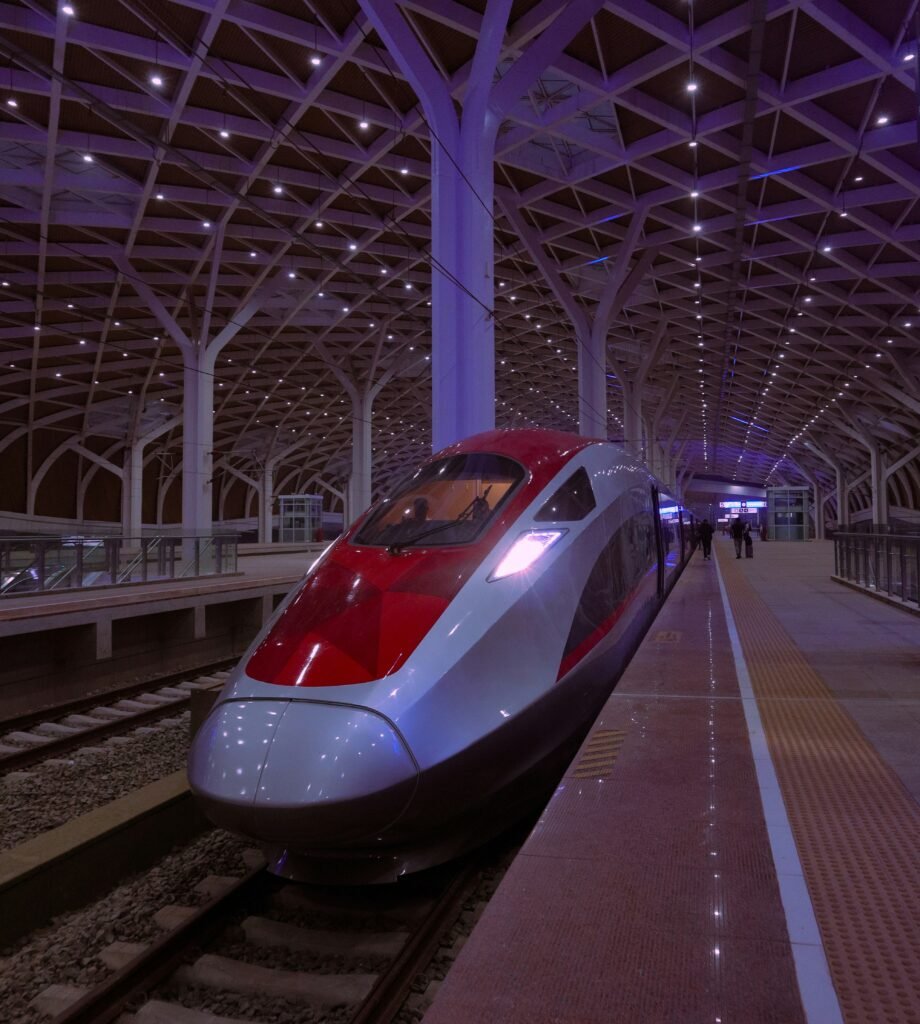
Whoosh, Southeast Asia’s first high-speed railway, covers the Jakarta–Bandung corridor in approximately 45 minutes on the train itself. That figure does not describe the full door-to-door journey.
Halim station is outside central Jakarta, while Padalarang and Tegalluar Summarecon are outside central Bandung. From Padalarang, a feeder train continues to Bandung station in roughly 20 minutes. Travelers must still allow time to reach Halim, navigate the stations and complete the transfer on arrival.
For some itineraries, Whoosh is excellent. For others, a conventional train or private car creates a smoother day. The headline speed should never be compared without including the station transfers.
A realistic 10-day Java train itinerary
| Days | Base | Journey and focus |
|---|---|---|
| 1–2 | Jakarta | Recover, explore Kota Tua, food and contemporary city life |
| 3–4 | Bandung | Whoosh or conventional train; architecture and the highlands |
| 5–7 | Yogyakarta | Long-distance train; temples, art, batik and neighborhoods |
| 8 | Surabaya | Executive, Luxury or Suite Class train east; food and a comfortable transition |
| 9–10 | Bromo or Malang | Private road transfer for volcanic landscapes, then continue or depart |
This route can be shortened by flying into Yogyakarta and traveling only east. It can also be extended with Solo, Semarang or Banyuwangi.
Adding every interesting stop weakens the main advantage of rail travel: the ability to move slowly without constant packing.
If Java is one part of a longer Indonesia trip, plan the next island for what it actually offers rather than treating it as an interchangeable beach extension. For example, Lombok will not simply become the next Bali, and it works best when approached on its own terms.
Jakarta deserves an honest decision
Jakarta is intense, spread out and frequently congested. It is also one of Southeast Asia’s most dynamic cities, with excellent Indonesian food, major museums and neighborhoods shaped by several layers of history.
Keep it when urban culture interests you or when the international flight already arrives there. Skip it when the trip is short and the priorities are temples, landscapes and smaller cities. An obligatory two-day capital stop helps nobody.
If Jakarta stays in the itinerary, choose the hotel partly for the next departure. A beautiful property on the wrong side of the city can turn a comfortable train morning into an unnecessarily early start.
Bandung works best with a clear reason
Bandung has Art Deco architecture, cooler highlands, a serious food culture and obvious appeal for travelers interested in design. Weekend traffic can be punishing because the city is a popular escape for domestic visitors from Jakarta.
Plan Bandung on weekdays when possible, and decide whether the highland excursions are worth the road time.
The conventional railway onward through West Java is often one of the most scenic sections of the journey, so a high-speed arrival and slower departure can be an effective combination.
Yogyakarta needs more than a temple day
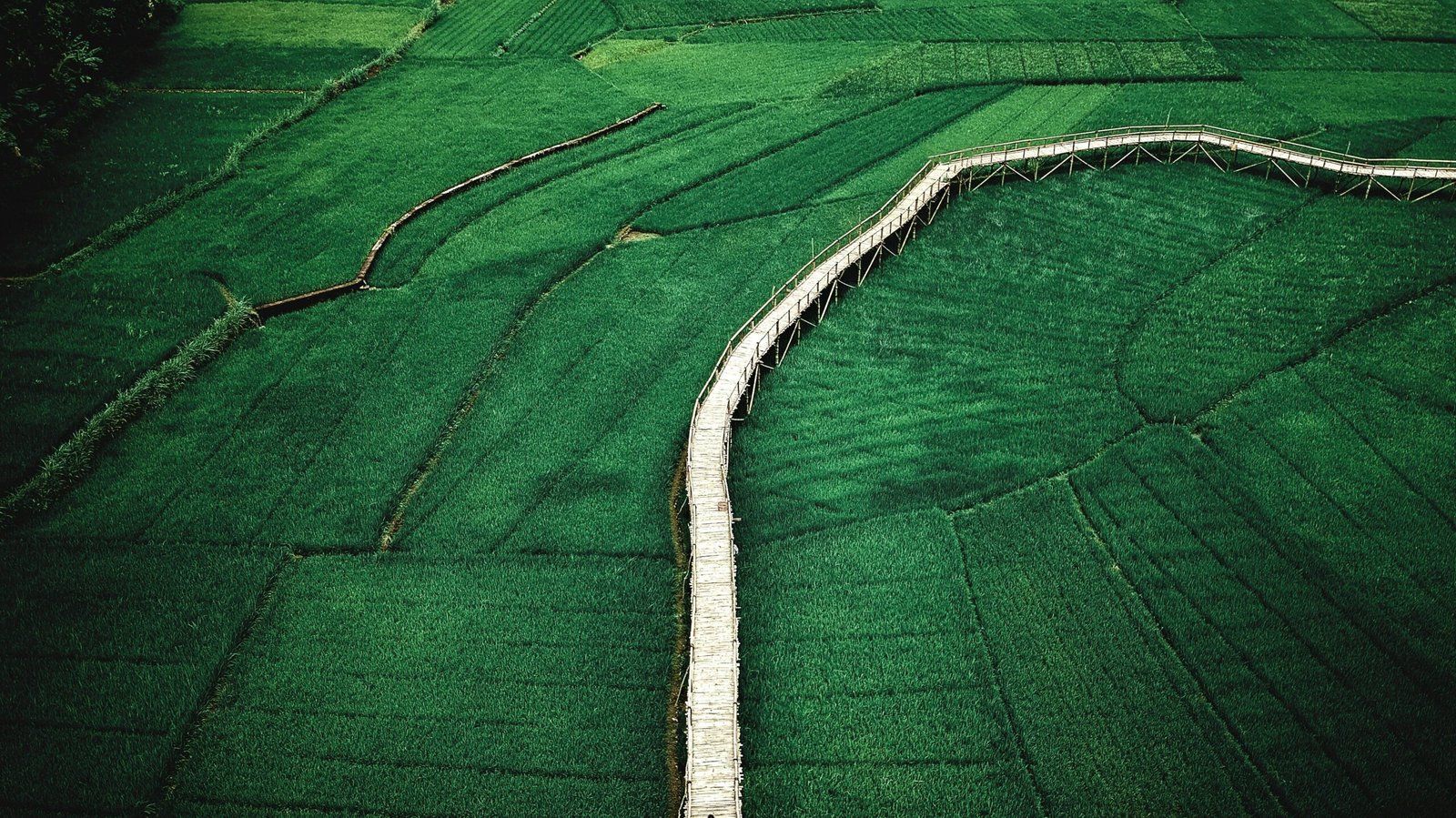
I lived and studied in Yogyakarta, and I would not reduce it to Borobudur and Prambanan. Those monuments are essential, but the city is also one of Java’s strongest centers for art, education, performance and craft.
Three nights is a good minimum. One day can focus on Borobudur and its surroundings, another on Prambanan and the city, with the remaining time left for food, batik, galleries or simply walking through a neighborhood without another monument booked at 3 p.m.
Yogyakarta’s Tugu station is centrally located, close to Malioboro and many hotels. This is one of the places where rail travel works particularly well because the train actually delivers travelers into the city rather than to its outskirts.
East Java still requires a road section
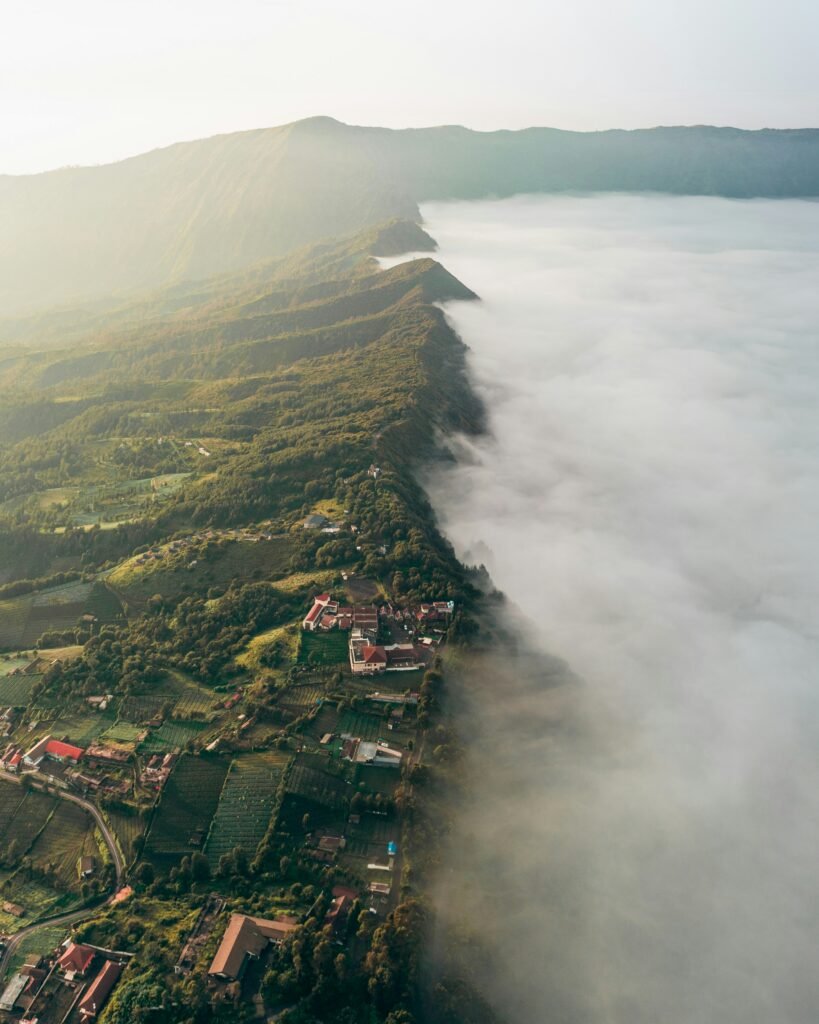
Trains connect Yogyakarta with Surabaya, Malang and cities farther east, but Mount Bromo and Ijen still require road transfers. This is where a private driver and a well-positioned hotel protect the pace of the trip.
Avoid leaving Yogyakarta, reaching the Bromo area late, waking at 2:30 a.m. and immediately continuing toward Ijen.
It may fit in a spreadsheet. It rarely feels premium.
A night in Surabaya or Malang can be useful rather than wasted. Both cities offer excellent food, and the pause separates a pleasant train day from the early start in the mountains.
If Ijen is included, Banyuwangi is generally a better base than trying to force Bromo and Ijen into one continuous road journey.
Booking, timing and luggage details
Long-distance tickets are sold through Access by KAI and authorized booking platforms. Passport details are required for foreign travelers, and popular services can sell quickly around Indonesian public holidays, school breaks and the Lebaran travel period.
Stations check tickets and identification. Arrive with enough time to find the correct entrance and platform, but there is no need to reproduce the two-hour airport routine.
Large suitcases can be managed, although lighter luggage is easier in crowded stations and on carriage steps. On a tailor-made trip, a driver can meet the train and transfer the main bags directly to the hotel while the day continues.
Choose daytime trains when the scenery matters. Overnight rail may save a hotel night, but it removes the landscape and does not always provide the quality of rest expected from a premium itinerary.
Suite Class is the strongest overnight option, but even there, couples should remember that the compartments are separate.
Schedules, carriage types and premium products can change. Confirm the exact train number, class and carriage at the time of booking rather than choosing from a photograph or a general route description.
Why the train belongs in a tailor-made journey
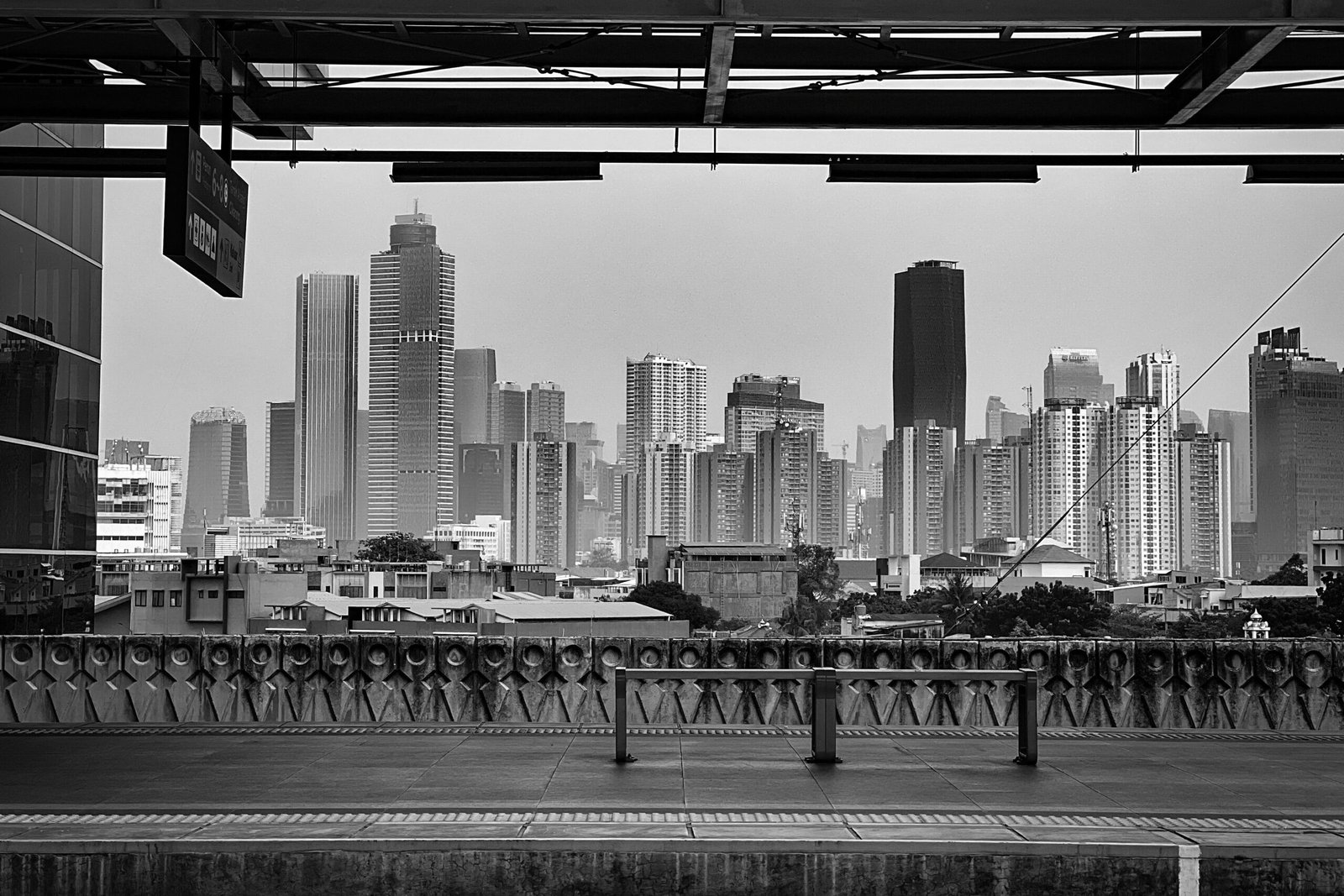
Travel design is often described through private access and expensive hotels. Sometimes the better decision is a public train with the right seats, a prepared arrival and someone waiting at the other end.
Java by rail connects the island’s cities while keeping travelers close to daily life. It turns distance into part of the experience instead of a problem to erase.
Indo by Design can build a private Java journey around selected trains, trusted drivers and hotels that work with the station, the luggage and the next day’s plans.
The route remains yours even when the railway is shared.