
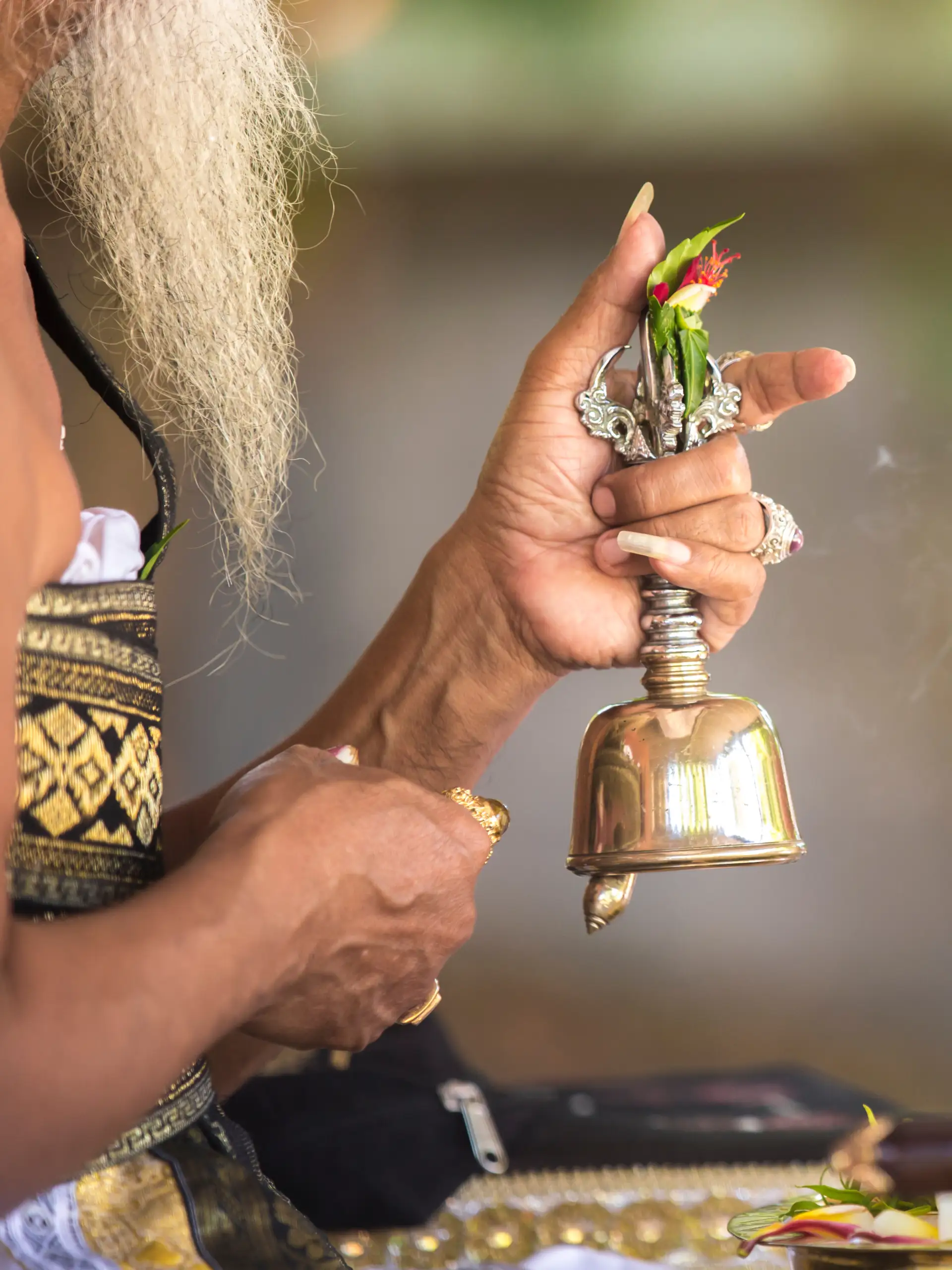
While Bali’s southern coastline is famous for its sunset beach clubs and world-class surfing, those seeking the island’s true “Taksu”—a Balinese word for spiritual charisma and creative energy—head inland. The spiritual and cultural heart of Bali beats strongest in Ubud and its surrounding highlands, where ancient traditions are woven into every aspect of daily life.
If you are looking to connect with the soul of the Island of the Gods, here is your guide to navigating its most sacred and cultural landscapes.
1. Ubud: The Epicenter of Art and Wellness
Ubud has long been the refuge of Balinese royalty and a sanctuary for artists. Today, it remains the island’s cultural capital.
- Ubud Royal Palace (Puri Saren Agung): Located in the center of town, this is the residence of the local royal family. In the evenings, its courtyard transforms into a stage for traditional Balinese dance performances, such as the Legong and Barong.
- The Sacred Monkey Forest Sanctuary: More than just a place to see macaques, this forest is home to three sacred temples and represent the Balinese Hindu philosophy of Tri Hita Karana—the harmony between humans, nature, and the divine.
- Artisan Villages: Just outside Ubud, specific villages specialize in unique crafts. Visit Celuk for silver and gold smithing, or Mas for world-renowned wood carving.
2. Sacred Water and Purification
Spirituality in Bali is deeply tied to water. Ritual purification, known as Melukat, is a profound experience for locals and visitors alike.
- Pura Tirta Empul: This holy water temple, founded in 962 AD, is famous for its sacred springs. Visitors can participate in a ritual bath, moving through the fountains to cleanse the mind and spirit.
- Pura Gunung Kawi: Located nearby, this 11th-century temple complex features ten massive shrines carved directly into the sheer cliff face. It is a place of immense quietude and historical weight.
3. The Mother Temple: Pura Besakih
No spiritual journey is complete without visiting Pura Besakih. Perched high on the slopes of Mount Agung, Bali’s most sacred volcano, it is the largest and holiest of all Balinese temples.
- The Complex: Besakih is actually an extensive complex of 23 separate but related temples.
- The Experience: On clear days, the view from the top overlooking the misty valleys below is nothing short of ethereal. Be sure to hire a local guide here to understand the complex caste and clan affiliations represented in the various shrines.
4. Living Landscapes: Tegalalang and Subak
The beauty of Bali’s landscape is a direct result of its spiritual philosophy. The iconic Tegalalang Rice Terraces are maintained through the Subak system—a traditional cooperative irrigation method that has been recognized by UNESCO.
- The Philosophy: Subak isn’t just about farming; it is a spiritual community that manages water as a gift from the Goddess of the Lake.
- Best Time to Visit: Arrive at sunrise to see the light filter through the palm trees and the morning mist rising from the emerald paddies.
5. Modern Spirituality: Yoga and Sound Healing
Ubud has evolved into a global hub for modern spiritual seekers. Whether you are a seasoned yogi or a curious beginner, the energy of the town is infectious.
- The Yoga Barn & Radiantly Alive: These institutions offer everything from Hatha yoga to ecstatic dance.
- Pyramids of Chi: For a unique experience, visit these giant pyramids on the outskirts of Ubud for a “Sound Healing” session, using gongs and drums to induce a meditative state.
Respectful Travel: Cultural Etiquette
To truly experience Bali’s heart, one must act with respect toward the traditions that sustain it.
- Dress Code: When entering any temple, you must wear a sarong and a waist sash. These are usually available for rent at temple entrances.
- Mind the Offerings: You will see small palm-leaf baskets called Canang Sari on the ground everywhere. Be careful not to step on them, as they are daily gifts to the gods.
- Physical Conduct: Never touch a Balinese person (especially a child) on the head, as it is considered the most sacred part of the body. Likewise, ensure your feet—the lowest part of the body—are not pointed toward shrines or people.
Final Thoughts
Experiencing Bali’s spiritual heart requires more than just sightseeing; it requires slowing down. Put away the map for a few hours, walk through the rice fields of Penestanan, and listen to the rhythmic sound of the Gamelan echoing through the trees. That is where you’ll find the Bali that everyone falls in love with.