
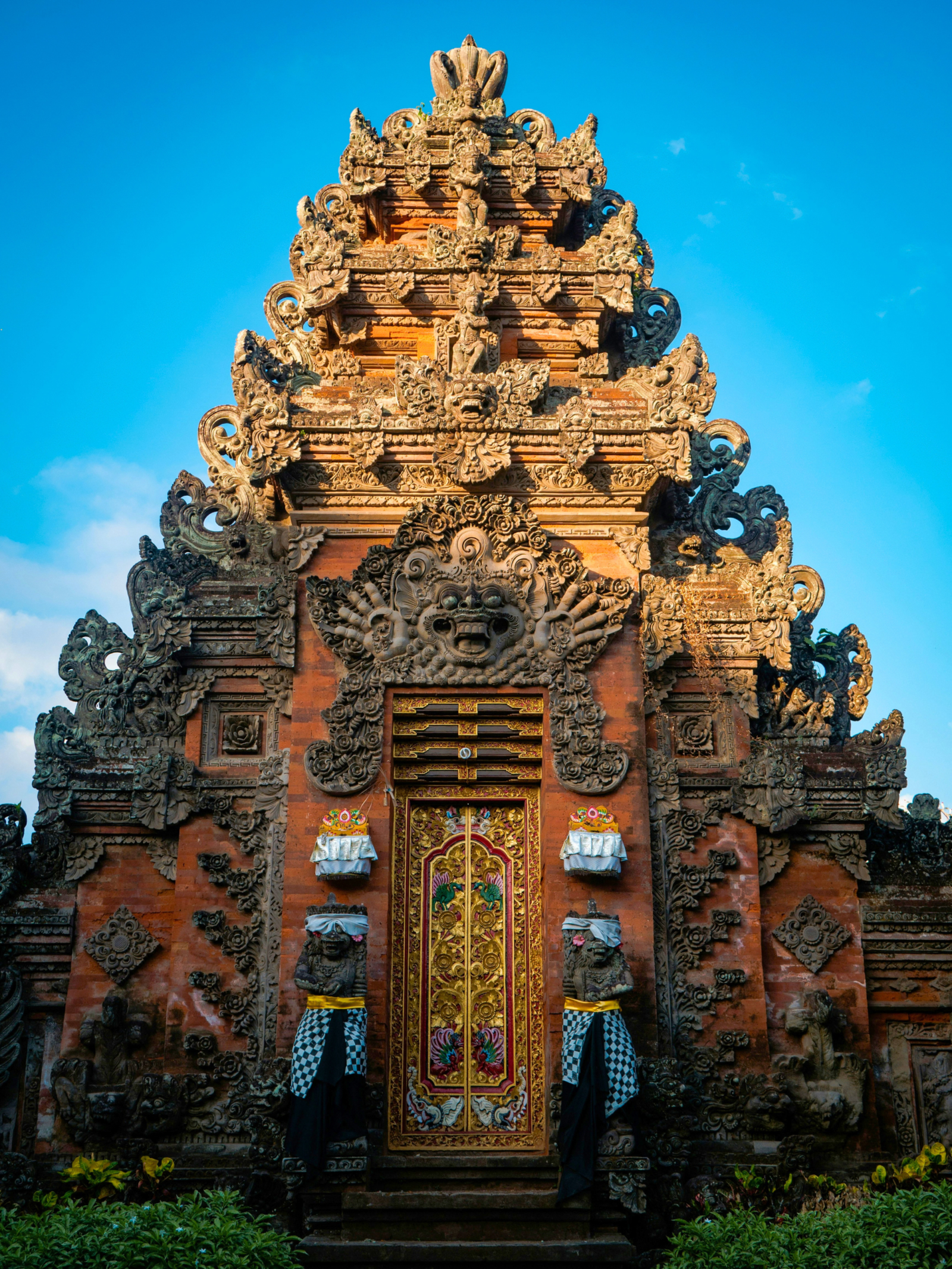
There are two equally lazy ways to talk about Bali.
The first is the Instagram version: rice terraces, temples, flower baths, empty beaches and infinity pools suspended above the jungle.
The second is the backlash: Bali is ruined. It is one giant traffic jam full of influencers and beach clubs.
Neither is particularly useful.
You can spend a week in Bali surrounded by smoothie bowls, coworking spaces and people who appear to have brought an entire activewear collection from Australia. You can also drive a few hours and find villages where tourism barely registers. Both are Bali in 2026.
That is what makes recommending where to stay here increasingly complicated.
The island received almost 6.95 million direct foreign arrivals in 2025, a new level of pressure on an island with roughly 4.5 million residents. Australia alone represented more than 23% of international arrivals.
But those millions of visitors aren’t spread evenly across Bali.
Most tourism remains heavily concentrated in the south and around Ubud. And within that relatively small area, places that were rice fields and villages not very long ago have turned into some of Southeast Asia’s most intense tourism-development zones.
So if you’re trying to decide where to stay in Bali in 2026, the answer depends heavily on which version of the island you actually want.
What this guide covers
Kuta & Legian: the Bali tourism boom that came first
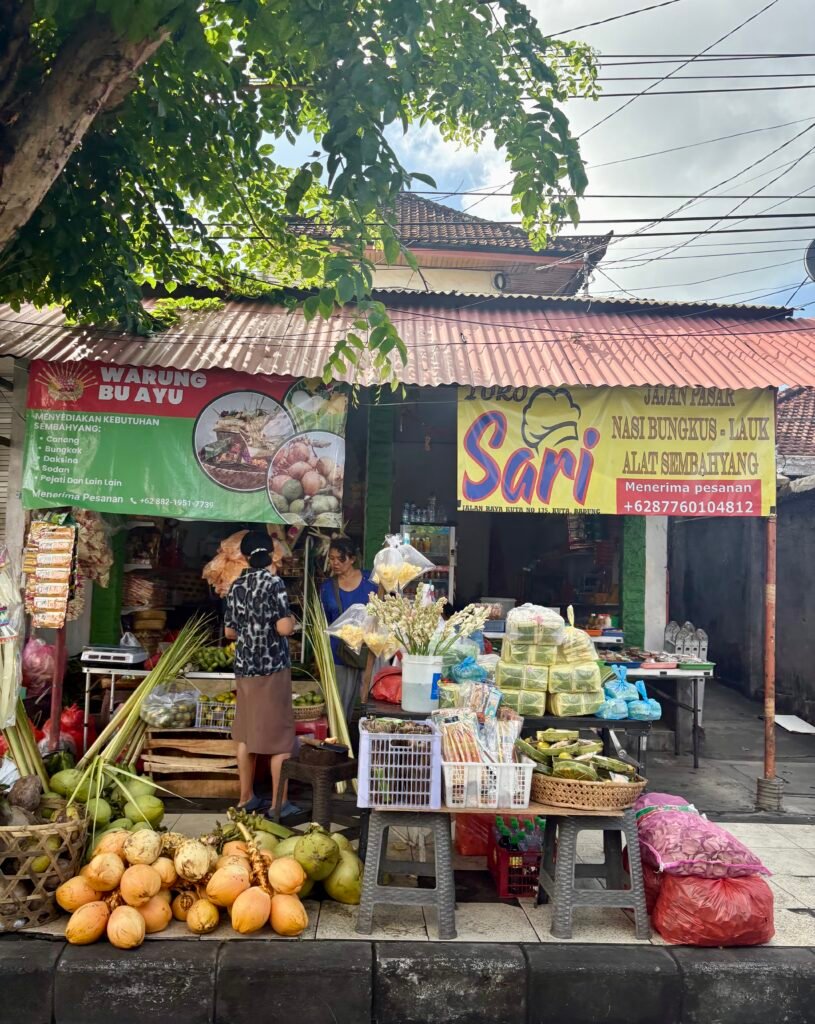
Kuta was once the place foreigners meant when they said they were going to Bali.
Affordable rooms, surf schools, bars, souvenir shops, Australians on package holidays and one of the easiest beaches to reach from the airport made it the center of Bali’s mass-tourism industry.
It no longer has the fashionable reputation it once did. The center of gravity has moved north toward Seminyak and Canggu and south toward the Bukit Peninsula.
But dismissing Kuta entirely would be unfair.
Who it suits
Budget-conscious travelers, younger groups looking for nightlife, first-time surfers and anyone who values convenience more than atmosphere.
The good
You’re close to the airport. Accommodation is abundant. Food is inexpensive. The beach is enormous. There are shops, pharmacies, restaurants and services everywhere.
And compared with some of Bali’s newer hotspots, Kuta can almost feel refreshingly unpretentious.
The bad
It is intensely commercial.
If your mental picture of Bali involves quiet temples and rice fields, this is probably the quickest place to destroy it.
Traffic is heavy, the streets can feel chaotic, and much of the area exists very visibly around tourism.
Seminyak: polished Bali, without pretending otherwise
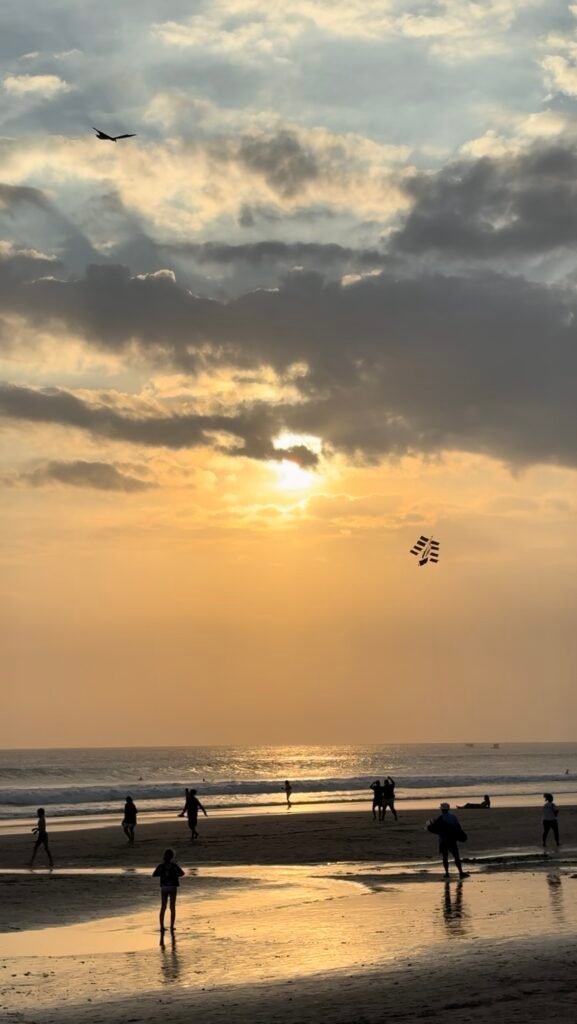
Seminyak took Kuta’s tourism model and moved it upmarket.
The backpacker bars became cocktail bars. Affordable hotels became villas and boutique resorts. Beach shacks became beach clubs.
Today Seminyak sits somewhere between old-school Bali tourism and the newer lifestyle economy that exploded farther north.
Who it suits
Couples, groups of friends, travelers who care about restaurants and shopping, and people who want a comfortable first Bali trip without isolating themselves inside a resort.
The good
The restaurant scene is excellent. There is a huge range of accommodation. The beach is accessible. You can actually build a holiday around eating, shopping, massages and sunset drinks without spending half your day sightseeing.
It also feels relatively established. Seminyak knows exactly what it is.
The bad
It is built-up, busy and expensive by Indonesian standards.
Very little about central Seminyak feels rural anymore. If you’re coming here searching for some untouched version of Bali, you’re several decades late.
Canggu: Bali’s most successful cautionary tale
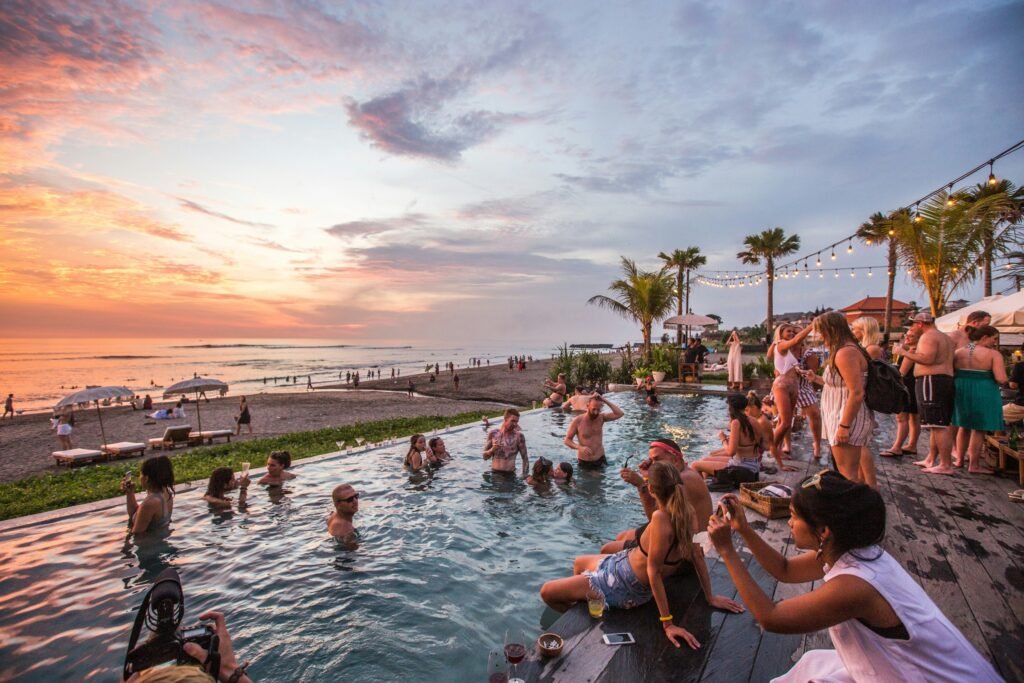
Few places explain modern Bali better than Canggu.
Not very long ago, this was an agricultural area of villages and rice fields north of Seminyak.
Then came surfers.
Then cafés.
Then villas.
Then digital nomads.
Then coworking spaces, gyms, beach clubs, restaurants, influencers, property developers and investors selling villas to people who had occasionally never visited Indonesia.
Academic research into overtourism in Canggu records local residents describing the transformation as uncontrolled, with irrigated rice fields rapidly becoming villas and restaurants.
That transformation is still happening.
Who it suits
Digital nomads, younger travelers, surfers, content creators, people who want gyms, brunch, nightlife and an enormous international social scene.
The good
Canggu is extraordinarily convenient if you like its lifestyle.
You can eat incredibly well. Vegan, gluten-free and specialty-diet options are everywhere. There are excellent gyms, cafés, spas, boutiques, coworking spaces and nightlife.
For someone staying in Bali for a month and working remotely, it is easy to understand the attraction.
The bad
Canggu has become a victim of precisely that attraction.
The roads were never designed for the volume of traffic they now carry. Construction seems endless. Rice fields increasingly sit between villa developments rather than the other way around.
And there is an uncomfortable irony in flying to Bali to photograph rice fields while staying in accommodation that replaced one.
If you want Bali to feel Indonesian, Canggu may also be a strange introduction. There are pockets where the international lifestyle bubble is so complete that you can spend days barely interacting with anything outside it.
I don’t think Canggu is “bad.”
I think you should know what you’re choosing.
Pererenan, Seseh and the inevitable movement north
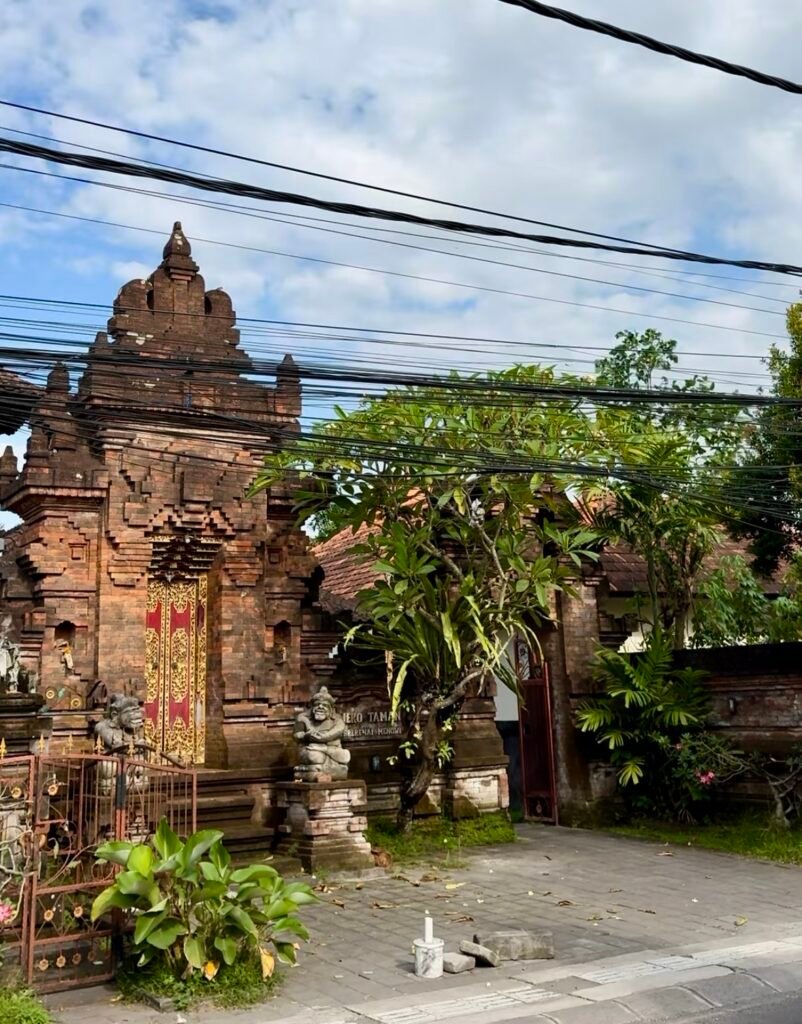
When Canggu became too busy, people started looking slightly farther north.
Pererenan became the quieter alternative.
Then Pererenan started developing.
Now attention is moving farther again.
This is one of Bali tourism’s recurring patterns: travelers search for somewhere “undiscovered,” businesses follow them, property values rise, villas appear, and eventually the search for authenticity moves another few kilometers down the road.
The frontier keeps moving.
The appeal here is obvious: beaches, rice fields and access to Canggu without necessarily sleeping in its busiest streets.
The danger is equally obvious.
Today’s alternative to Canggu can very easily become tomorrow’s Canggu.
Uluwatu and the Bukit Peninsula: paradise under construction
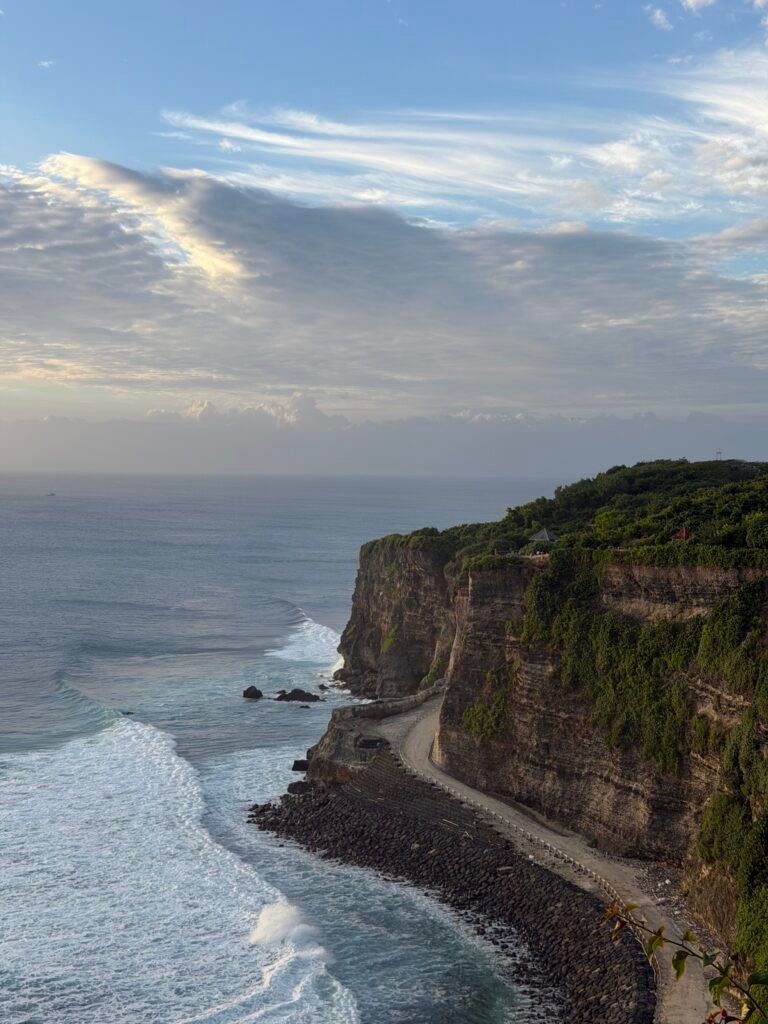
If Canggu represents Bali’s transformation of agricultural land, the Bukit Peninsula represents the next phase.
Uluwatu became famous through surfing: dramatic limestone cliffs, powerful waves and beaches hidden below them.
Then luxury hospitality discovered the cliffs.
The area now attracts surf resorts, boutique hotels, enormous villas, beach clubs and increasingly ambitious construction.
In 2026, Bali’s provincial legislature investigated development around Padang Padang and reported suspected environmental and spatial-planning violations, including excavation of cliffs and filling of a watercourse. Traffic has become serious enough that Badung authorities made a special Pecatu–Uluwatu traffic-management scheme permanent in July 2026.
Who it suits
Surfers, honeymooners, couples, luxury travelers, beach-club crowds and people prioritizing dramatic coastal scenery.
The good
Some of southern Bali’s most spectacular scenery is here.
The cliffs are extraordinary. The surf is genuinely world-class. There are beautiful hotels and restaurants and some unforgettable sunsets.
The bad
Getting around can be miserable.
Many beaches require steep stairs. Walking between areas is rarely realistic. Taxis and scooters funnel onto narrow roads.
And Uluwatu is rapidly learning the lesson Canggu already learned: spectacular scenery does not automatically come with infrastructure capable of supporting thousands of villas, restaurants and visitors.
Nusa Dua: the Bali bubble… intentionally
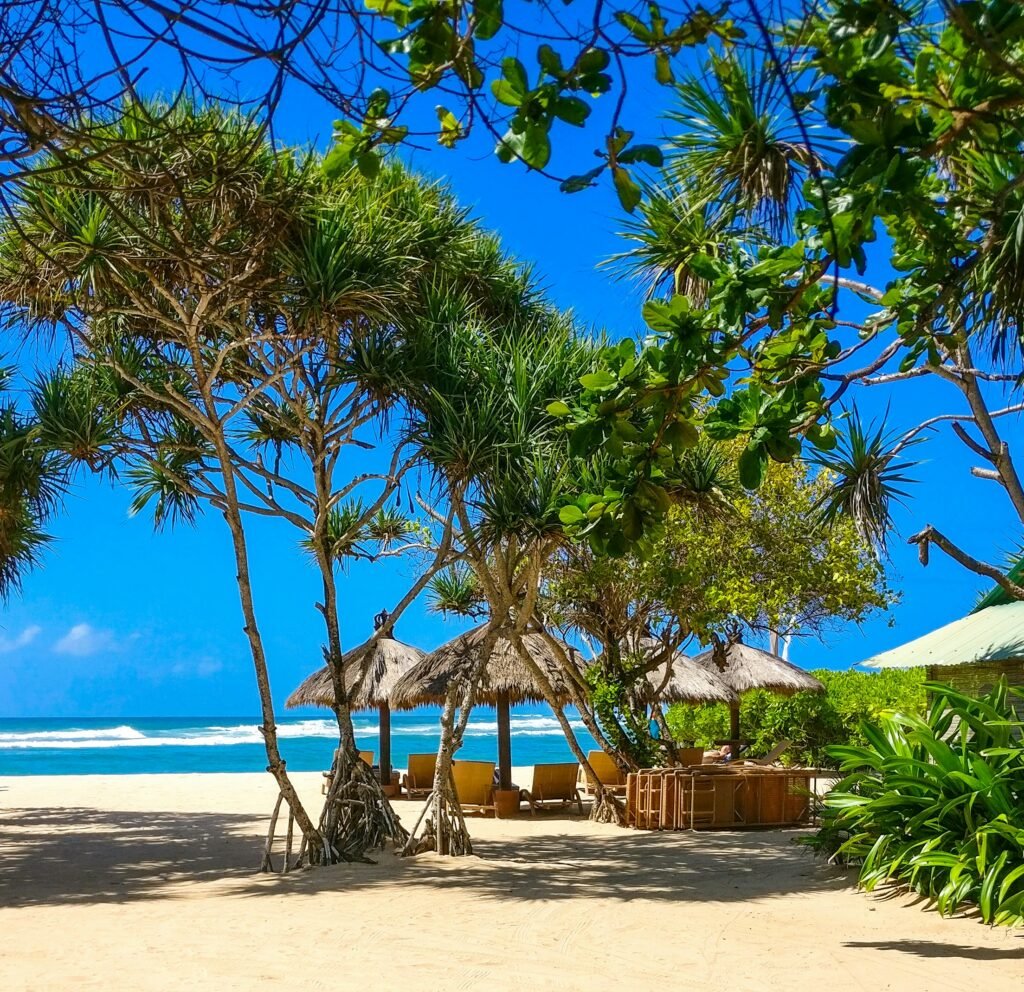
Nusa Dua is different because it was never an accidental tourism boom.
The resort zone has been deliberately planned as an integrated tourism enclave since the 1970s. Today the 350-hectare development contains more than 20 international hotels and roughly 5,000 rooms. In the first half of 2026 alone, the area recorded nearly 1.8 million visits and average occupancy above 70%.
Who it suits
Families, honeymooners, luxury resort travelers, conferences, older travelers and anyone who wants an easy beach holiday.
The good
It works.
The beaches are attractive. Resorts are polished. Infrastructure is organized. You can bring children or elderly parents here and have a remarkably uncomplicated holiday.
The bad
It can feel almost detached from Bali.
You could stay inside a large resort, eat international food, lie beside the pool and leave knowing remarkably little about the island you visited.
That isn’t necessarily a problem.
Just don’t confuse a resort holiday in Bali with experiencing Bali.
Sanur: Bali for people who don’t need Bali to impress Instagram
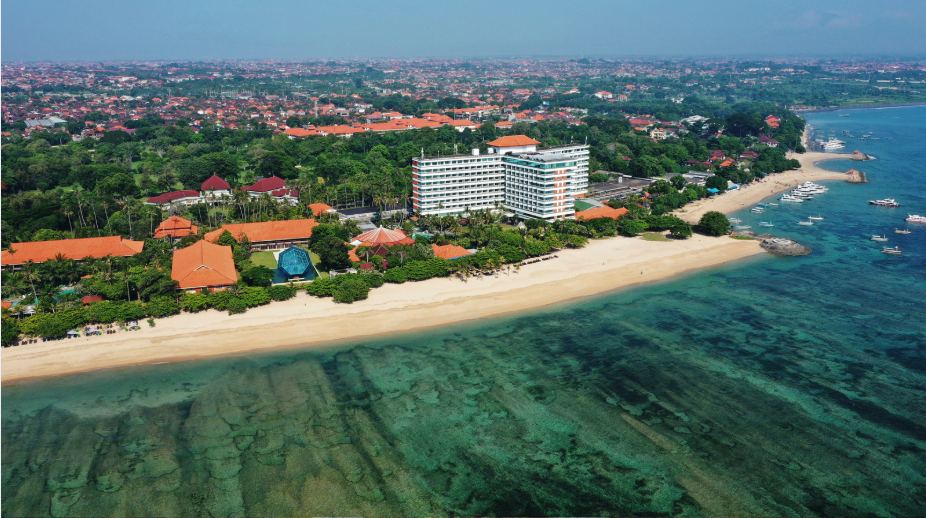
Sanur doesn’t generate nearly as much online hype as Canggu or Uluwatu.
That may be one of its strengths.
The sea is generally calmer, the atmosphere is quieter, and the beachfront path makes it one of the rare Bali resort areas where walking is genuinely pleasant.
Who it suits
Families, older travelers, repeat visitors, couples wanting somewhere calmer and people catching boats toward Nusa Lembongan or Nusa Penida.
The good
Sanur is easy.
Restaurants and shops are accessible. The beachfront is pleasant. You don’t need every meal or sunset to become an event.
The bad
If you’re looking for nightlife, dramatic surf beaches or Bali’s newest restaurants, you’ll probably be bored.
Sanur’s strength is precisely that it isn’t constantly trying to be exciting.
Ubud: cultural center, spiritual industry

Ubud deserves both its reputation and some skepticism about that reputation.
Balinese art, dance, temples and religious life aren’t inventions created for tourists. The region genuinely has enormous cultural importance.
But modern Ubud has also built an industry around foreign ideas of spirituality.
Yoga retreats, cacao ceremonies, sound healing, ecstatic dance, vegan cafés and wellness businesses now sit beside temples and family compounds.
Sometimes the combination is fascinating.
Sometimes it feels like Bali has been repackaged and sold back to foreigners as self-discovery.
Who it suits
Culture-focused travelers, wellness travelers, yoga enthusiasts, foodies, couples and first-time visitors who want greenery rather than beaches.
The good
Base yourself outside the center and Ubud can still be wonderful.
Temples, crafts, rice landscapes and villages surround the town. There are exceptional hotels and restaurants, and central Bali gives you easy access to a huge range of day trips.
The bad
Central Ubud can be exhausting.
Traffic can erase the tranquility advertised in hotel brochures. Famous attractions become packed. Instagram queues form at places supposedly visited to experience serenity.
You don’t have to skip Ubud but maybe don’t sleeping in the middle of it.
Sidemen: what happens when everyone tells people where to escape Ubud
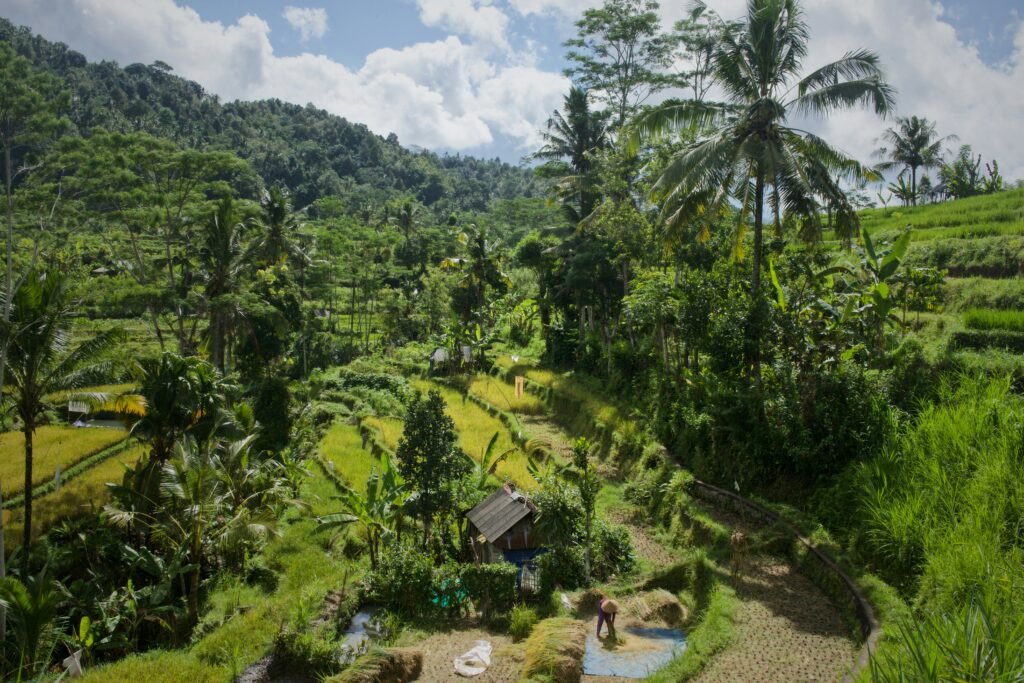
Sidemen is increasingly described as the quieter alternative to Ubud.
For now, that description still mostly works.
Rice terraces cover the valley beneath Mount Agung. Small hotels and homestays dominate rather than giant entertainment complexes. Weaving and agriculture remain visible parts of everyday life.
Who it suits
Slow travelers, couples, hikers, photographers and travelers who actually enjoy doing very little.
The good
The landscape is beautiful.
Traffic is limited. You can walk. You can hear insects instead of construction or scooters. And Mount Agung looming over the valley provides one of Bali’s most impressive settings.
The bad
There isn’t much to “do.”
Which is precisely why some people love it.
Sidemen also deserves watching carefully. Calling every quiet Balinese village “the next Ubud” is almost a development threat disguised as a compliment.
Amed: the Bali of divers, fishermen and early nights
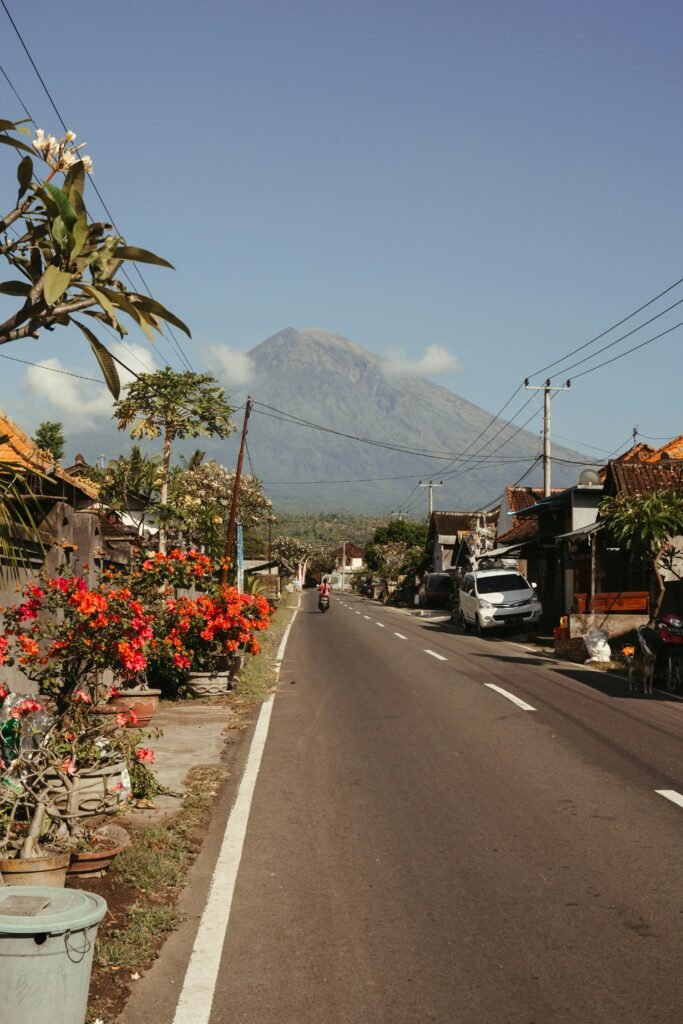
Drive toward Bali’s northeastern coast and the island changes again.
Amed isn’t one town so much as a chain of coastal villages. Tourism exists here, but diving and snorkeling remain the main engines rather than nightlife and beach clubs.
Who it suits
Divers, snorkelers, couples, independent travelers and people who don’t need sophisticated nightlife.
The good
You can snorkel directly from shore in several places. Mount Agung dominates the landscape. Traditional fishing boats still line the beaches.
Accommodation ranges from very simple homestays to comfortable boutique properties.
The bad
The beaches are mostly dark volcanic sand or stones rather than the tropical white-sand fantasy some visitors expect.
Transport is limited, roads are narrow and the area becomes very quiet at night.
That is either a warning or an advertisement depending on who you are.
North Bali: the island most tourists never see
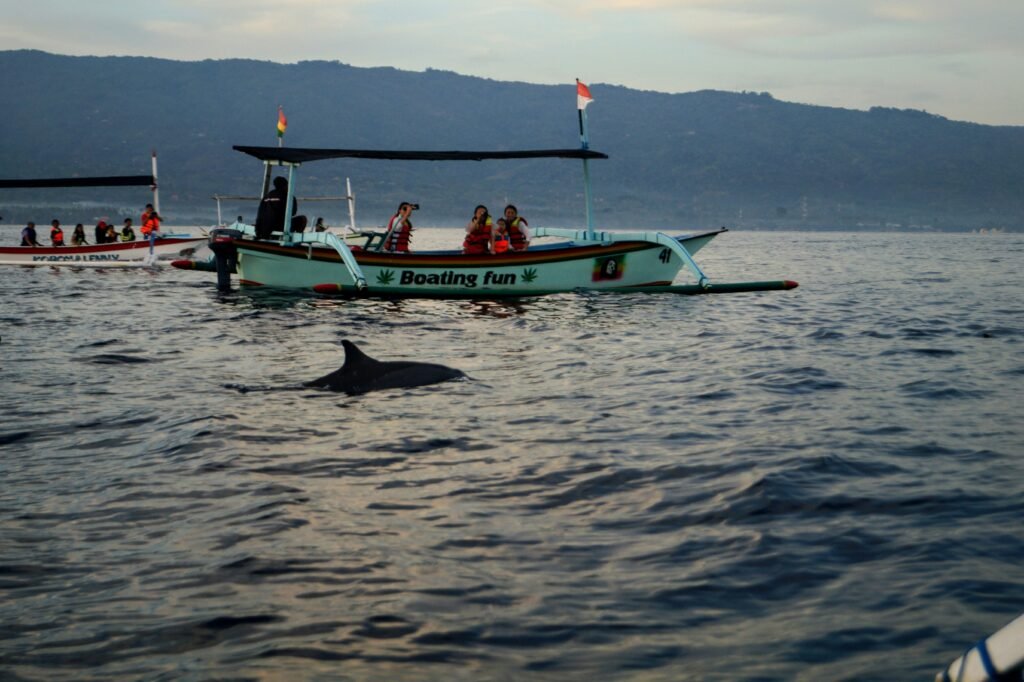
Lovina, Munduk and the surrounding north feel remarkably distant from southern Bali despite being on the same island.
Munduk brings mountain roads, waterfalls, plantations and cooler temperatures.
Lovina brings a slower coastal town and its famous dolphin trips.
Farther west, Pemuteran attracts divers and travelers heading toward Menjangan Island.
Who it suits
Repeat Bali visitors, road-trippers, nature lovers, divers and travelers who value space over nightlife.
The good
Less traffic. Lower prices. Mountains. Waterfalls. Diving. Villages where tourism isn’t the dominant visual feature.
The bad
Getting there takes time.
And that’s probably one of the reasons it remains different.
Bali’s geography has accidentally protected parts of Bali from Bali tourism.
West Bali: yes, this is still the same island
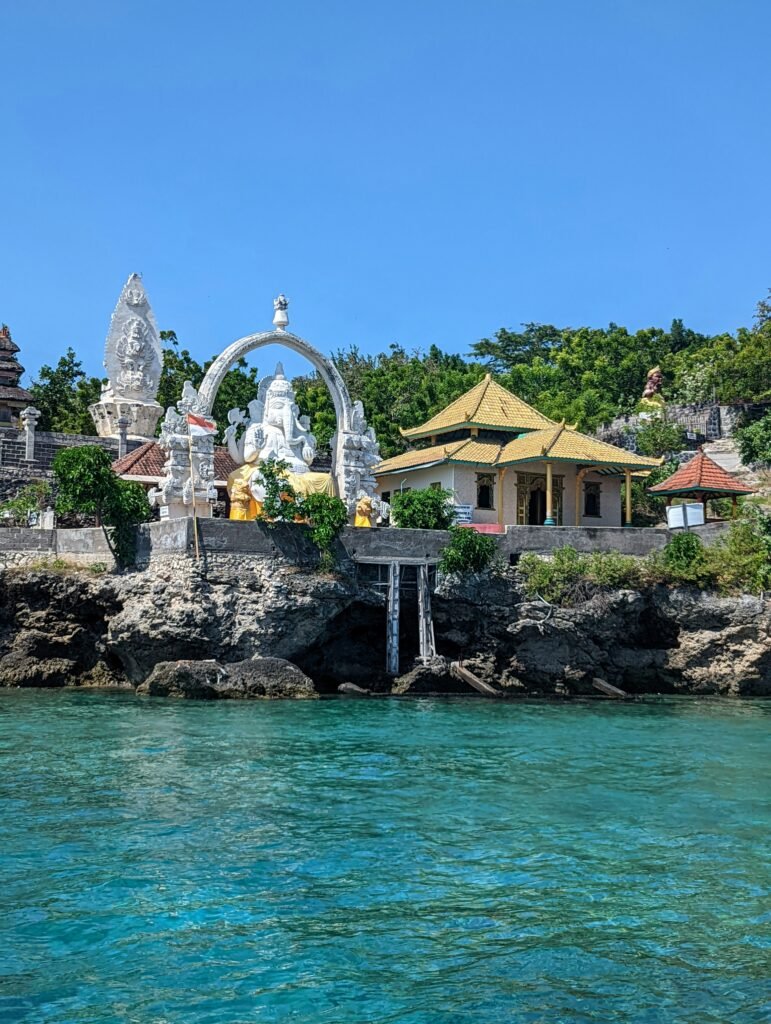
Continue west and the tourism machine largely disappears.
West Bali National Park occupies much of the region. Menjangan offers excellent diving and snorkeling. Roads pass through landscapes that bear little resemblance to Seminyak or Canggu.
For most first-time visitors, I wouldn’t recommend spending the majority of a short Bali holiday here.
For someone returning for the third or fourth time?
Absolutely.
The uncomfortable part: Bali is in trouble
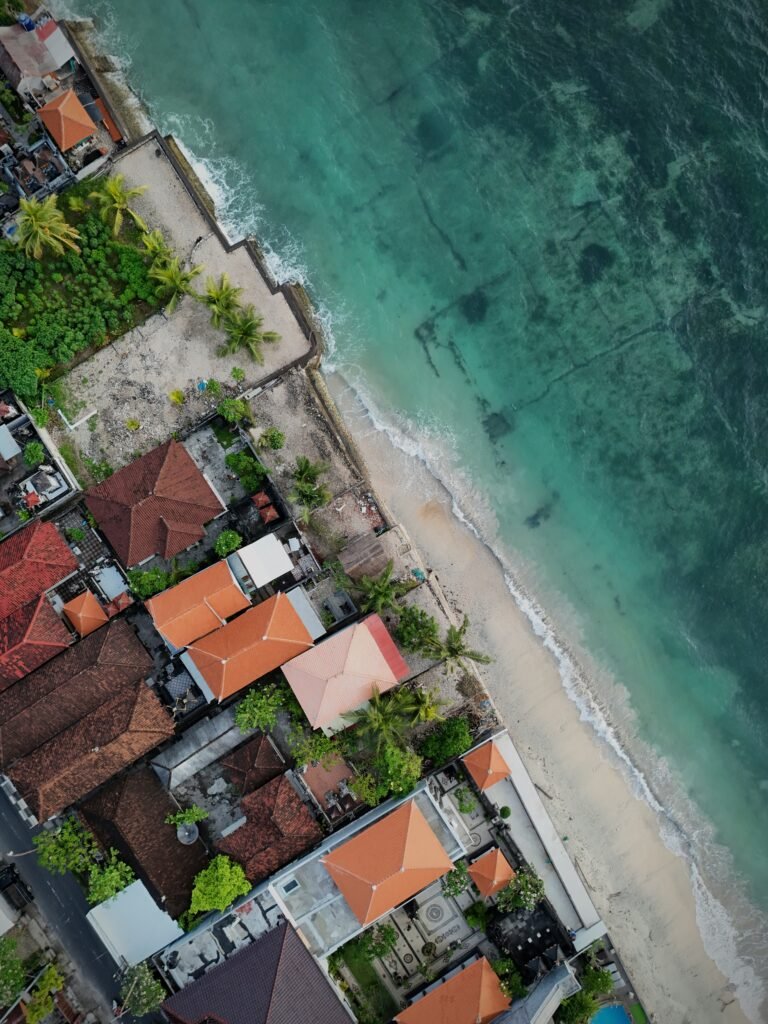
It would be dishonest to write about Bali in 2026 without talking about what tourism is doing to it.
And “overtourism” is almost too convenient a word because it makes the problem sound as though there are simply too many people.
The deeper problem is how Bali has been developed to accommodate them.
Bali is losing agricultural land
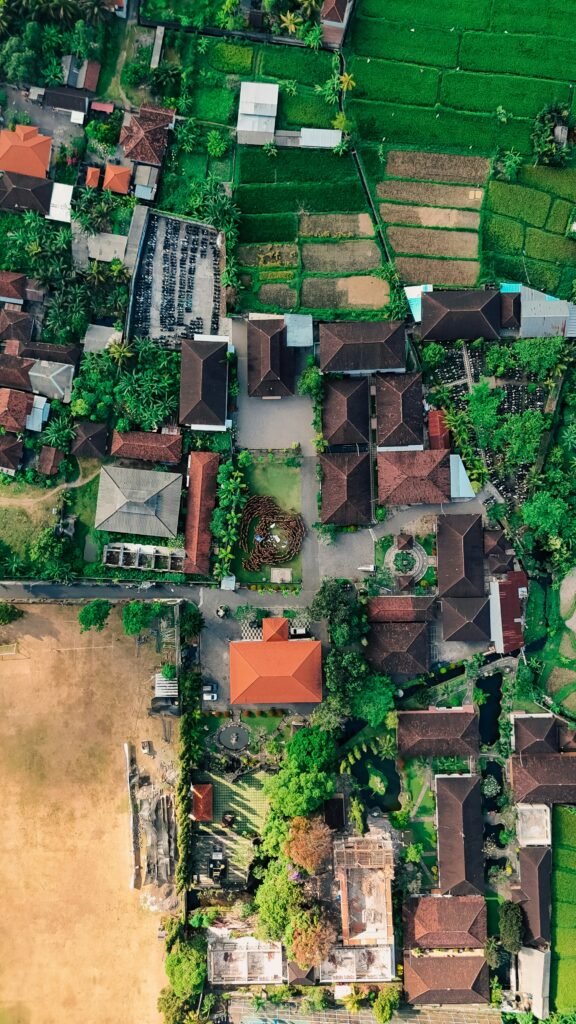
Rice terraces are primarily a food source.
They are agricultural infrastructure, cultural landscapes and part of the subak irrigation system that has shaped Balinese society for centuries.
Yet tourism development makes agricultural land extraordinarily valuable as real estate.
In 2025, Bali’s governor warned that local rice stocks had fallen sharply over five years as agricultural land continued to be converted. Recent reporting in 2026 documented the loss of thousands of hectares of rice fields alongside escalating pressure on water resources.
Every villa advertised as having “rice-field views” exists within that contradiction.
The view has economic value precisely because the field hasn’t been developed yet.
Bali has a water problem
This isn’t a new warning.
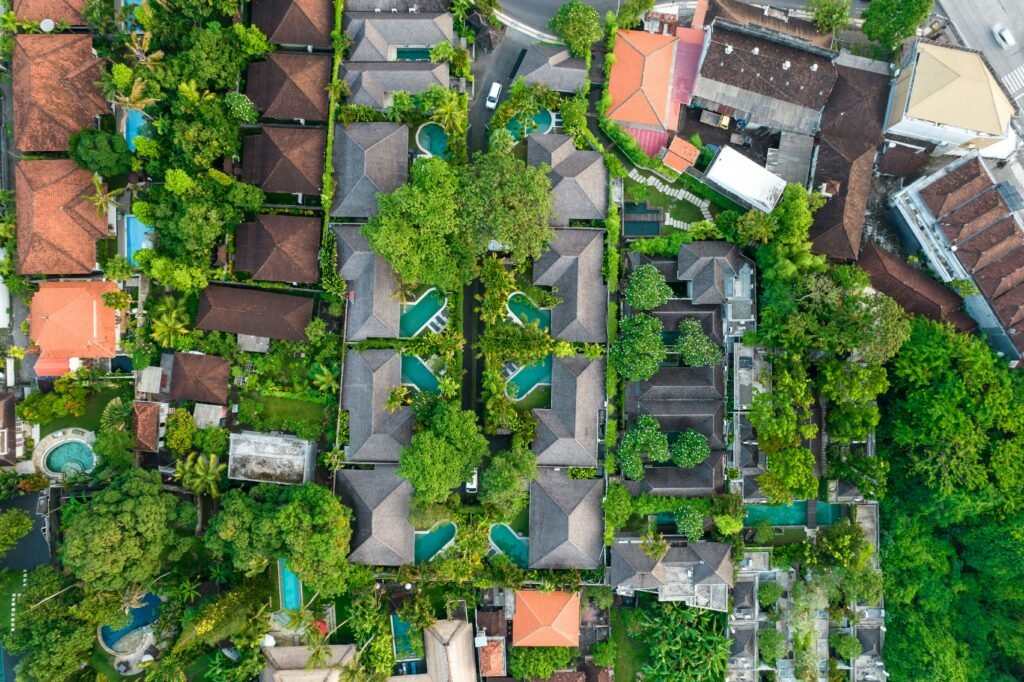
Researchers were documenting water-resource deficits in North Kuta (the area containing today’s Canggu tourism belt) more than a decade ago, including falling groundwater levels and signs of saltwater intrusion. More recent research in Gianyar continues to examine how expanding tourism accommodation affects local water resources.
Hotels need water.
Pools need water.
Villas need water.
Landscaped gardens need water.
Tourists need water.
Rice agriculture needs it too.
The infinity pool overlooking a rice terrace and the rice terrace below it are therefore sometimes competing for the same resource.
Bali has a waste problem
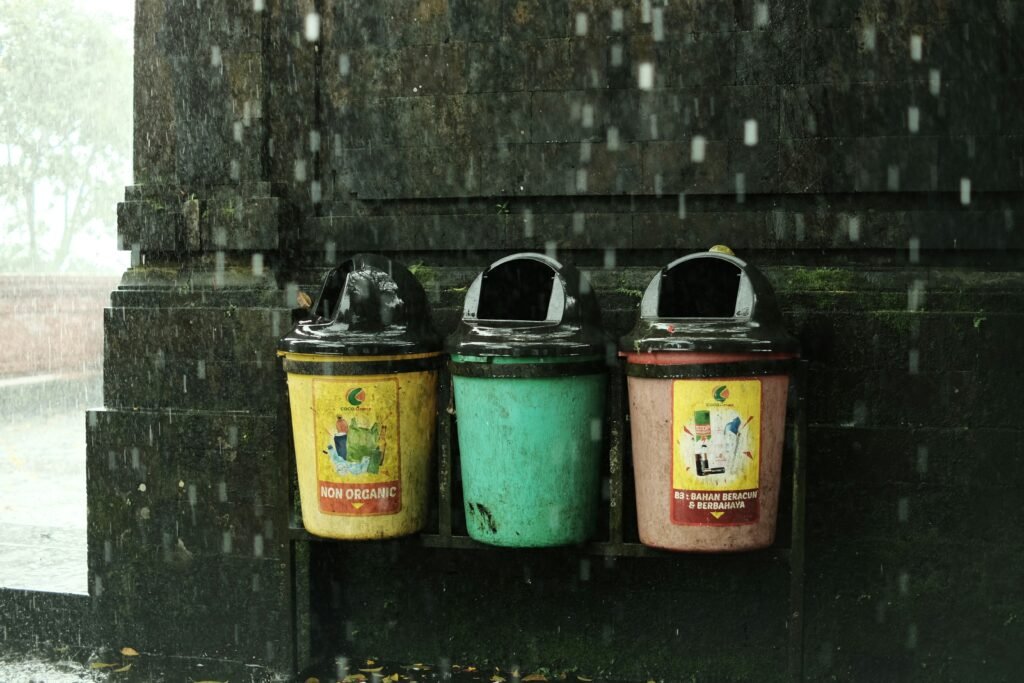
Bali’s waste crisis is visible precisely because an island cannot make millions of people’s rubbish disappear.
The Indonesian environment ministry ordered an end to open dumping at the huge Suwung landfill, describing Bali’s waste situation as a threat to environmental sustainability and tourism itself. Since April 2026, Suwung has stopped accepting organic waste as Bali attempts to move toward sorting and processing waste closer to its source.
That transition is necessary.
It is also an enormous logistical challenge.
And Bali has a traffic problem that more roads won’t magically solve
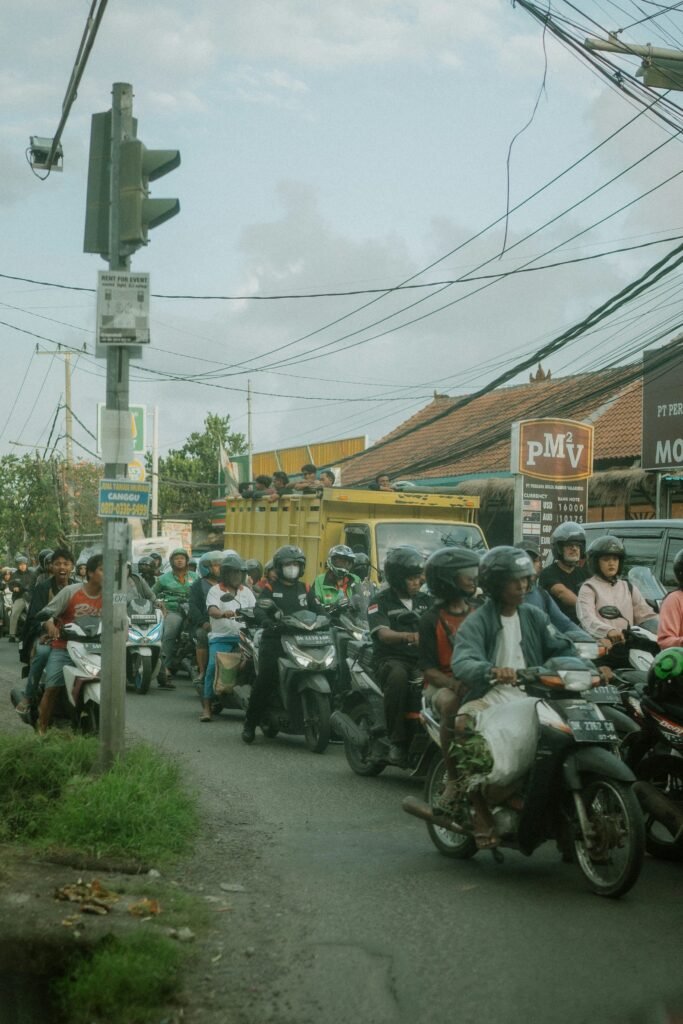
This is perhaps the crisis tourists notice first.
Distances on a map mean almost nothing in southern Bali.
Ten kilometers can take an hour.
A beautiful villa becomes considerably less attractive when every restaurant, beach and temple requires sitting in traffic.
The problem is structural: huge amounts of development have been added to areas whose road networks were built around villages, not millions of annual visitors.
So, is Bali ruined?
No.
That conclusion is almost as simplistic as pretending nothing is wrong.
Bali is extraordinary.
The ceremonies haven’t disappeared because Canggu has beach clubs. Balinese families haven’t stopped practicing their religion because tourists queue at temples. Farmers still work rice terraces. Craftspeople still carve stone and wood. Villages still organize around banjar. Mountains, volcanoes, reefs, forests and hundreds of kilometers of coastline don’t suddenly cease to exist because Seminyak has traffic.
But neither should visitors romanticize what is happening.
Parts of Bali have been developed far beyond what their infrastructure comfortably supports. Agricultural landscapes are being converted. Water resources are under pressure. Waste management is struggling to catch up. Places marketed as alternatives to overcrowded destinations begin attracting the same development that changed the places people were trying to escape.
Bali is not ruined.
But parts of Bali are being consumed by the demand to experience Bali.
How I would choose where to stay
If nightlife and restaurants matter most, choose Seminyak or Canggu.
If you’re coming primarily to surf, look at Uluwatu.
If you want an uncomplicated luxury beach holiday, Nusa Dua does that extremely well.
For families or a calmer coastal base, I’d look seriously at Sanur.
For culture and central-Bali day trips, stay around Ubud… but preferably outside the congested center.
For rice landscapes and quiet, Sidemen.
For diving and snorkeling, Amed or Pemuteran.
And if you’ve already visited Bali and came away wondering what all the fuss was about because you spent seven days between Canggu and Uluwatu, go north or west next time.
You may discover that the Bali you thought had disappeared was simply somewhere else.
The Bali I would like travelers to see
There is another reason I don’t like giving everyone the same Bali itinerary.
Tourism concentration becomes self-perpetuating.
Visitors stay in Canggu because everything is in Canggu. Businesses open there because visitors stay there. More accommodation gets built because demand is there. Roads become more congested, land becomes more valuable, and eventually another quiet village gets advertised as the escape.
Travelers aren’t individually responsible for solving Bali’s development problems.
But where we spend our money does matter.
Stay in locally owned accommodation sometimes. Eat somewhere that wasn’t designed for Instagram. Hire local guides. Spend several nights rather than racing through a village for a photograph. Don’t treat temples as sets. Don’t assume every rice field exists for your drone.
And perhaps most importantly, don’t arrive expecting Bali to perform an exotic fantasy for you.
It is an island where more than four million people actually live.
Their home doesn’t stop being their home because the rest of the world fell in love with it.