
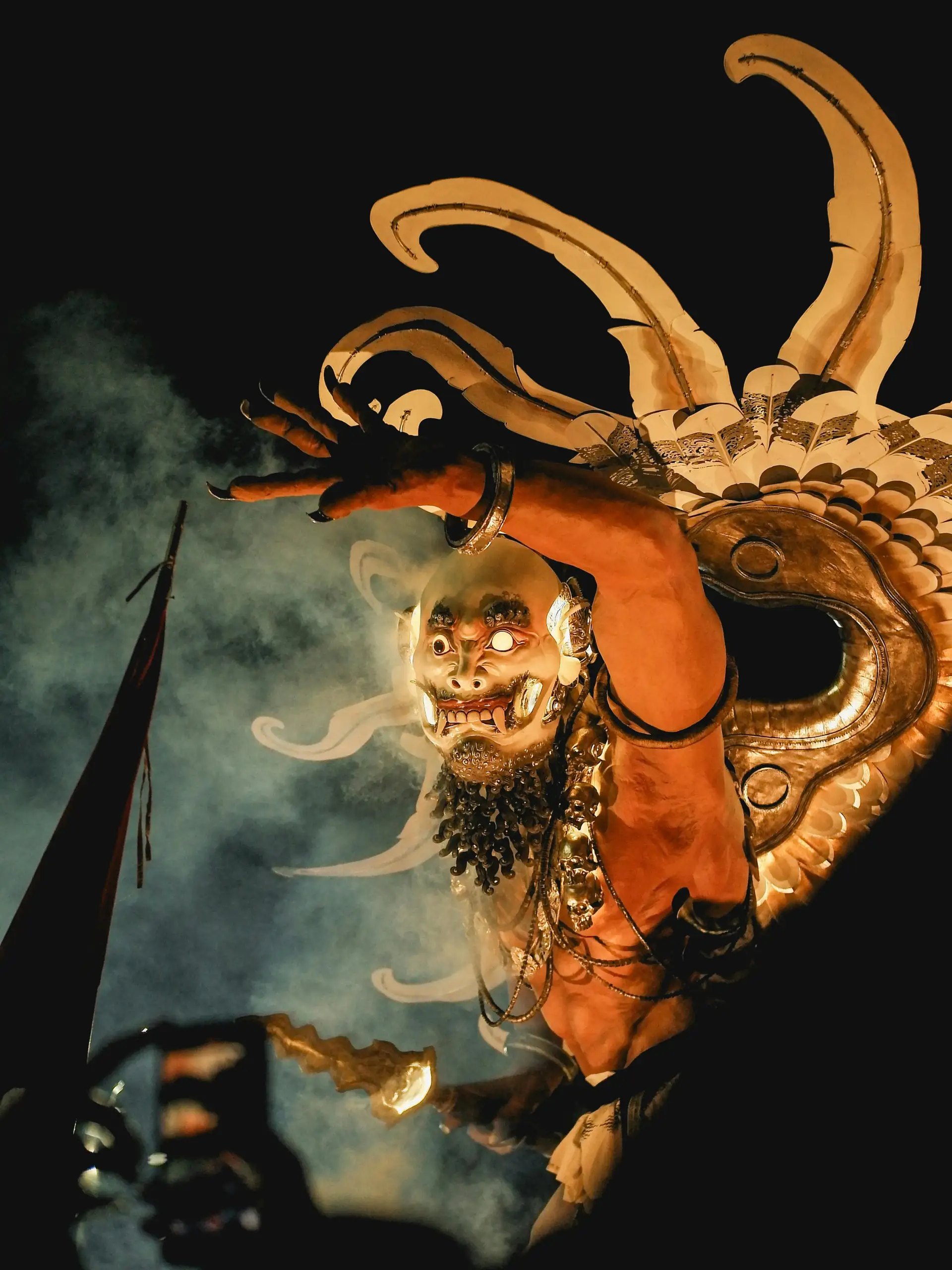
Indonesia’s calendar is a vibrant mosaic of traditions, colors, and spirituality. With over 300 ethnic groups, the archipelago hosts some of the most spectacular cultural festivals in the world. These events are more than just spectacles; they are deep expressions of ancestral heritage and community identity.
If you want to time your trip for an unforgettable cultural experience, here are the festivals that truly justify the flight.
1. Baliem Valley Festival (Papua)
Usually held in August, this is one of the most remote and visually stunning festivals in Indonesia. It brings together various tribes from the highlands of Papua—including the Dani, Lani, and Yali people.
- The Highlights: Witness mock tribal warfare, traditional dances, and pig feasts. The “battles” are dramatic displays of skill and pride, accompanied by traditional music played on Pikon instruments.
- The Experience: It is a rare opportunity to see ancient warrior traditions preserved in the high-altitude mists of the Baliem Valley.
2. Pasola (Sumba)
Held in February or March, Pasola is a ritual war game played on horseback. It is part of the Marapu belief system and is tied to the arrival of the “Nyale” (sacred sea worms).
- The Action: Rival teams of spear-wielding horsemen charge at each other in a fierce competition. Tradition dictates that blood must be shed to fertilize the land and ensure a bountiful harvest.
- The Vibe: It is raw, energetic, and deeply spiritual—a side of Indonesia that feels worlds away from the resorts of Bali.
3. Waisak (Borobudur, Central Java)
Waisak (Vesak Day) commemorates the birth, enlightenment, and death of Gautama Buddha. While celebrated nationwide, the epicenter is the 9th-century Borobudur temple.
- The Procession: Thousands of monks and pilgrims walk from Mendut Temple to Borobudur in a meditative procession.
- The Lantern Release: The festival culminates at night with the release of thousands of glowing lanterns into the sky above the temple. It is a moment of profound beauty and collective prayer.
4. Jember Fashion Carnaval (East Java)
What began as a local parade has transformed into one of the world’s premier fashion events. Held annually in August, it turns the streets of Jember into a 3.6km outdoor runway.
- The Costumes: Expect mind-bending, avant-garde costumes inspired by Indonesian folklore, flora, and fauna. Each year has a different theme, often pushing the boundaries of wearable art.
- The Scale: Thousands of performers participate, making it a “must-see” for photographers and fashion enthusiasts.
5. Nyepi: The Day of Silence (Bali)
While not a “festival” in the noisy sense, Nyepi is Bali’s most significant cultural event. It marks the Balinese New Year and is a day of absolute silence, fasting, and meditation.
- The Ogoh-Ogoh Parade: The night before Nyepi is the opposite of silence. Giant, demonic statues (Ogoh-Ogoh) are paraded through the streets to noisy gamelan music before being ritually burned to drive away evil spirits.
- The Silence: On Nyepi day, the island shuts down entirely—no flights, no lights, and no one allowed on the streets. It is the only place on Earth where an entire international airport closes for silence.
Festival Planning Table
| Festival | Location | Typical Month | Key Feature |
|---|---|---|---|
| Pasola | Sumba | Feb / March | Ritual Horseback War |
| Waisak | Borobudur | May | Lantern Release |
| Baliem Valley | Papua | August | Tribal Gathering |
| Jember Fashion | East Java | August | World-class Street Parade |
| Nyepi | Bali | March (Lunar) | Ogoh-Ogoh & Silence |
Travel Advice for Festivals
- Book Early: Domestic flights and local hotels often sell out months in advance, especially for remote events like the Baliem Valley Festival or Pasola.
- Be Respectful: These are sacred rituals, not just photo ops. Always ask before taking close-up portraits of people in traditional dress and follow local rules regarding sacred spaces.
- Check the Dates: Many festivals follow lunar or agricultural calendars, meaning the exact dates change every year. Always verify with local tourism boards before booking.