
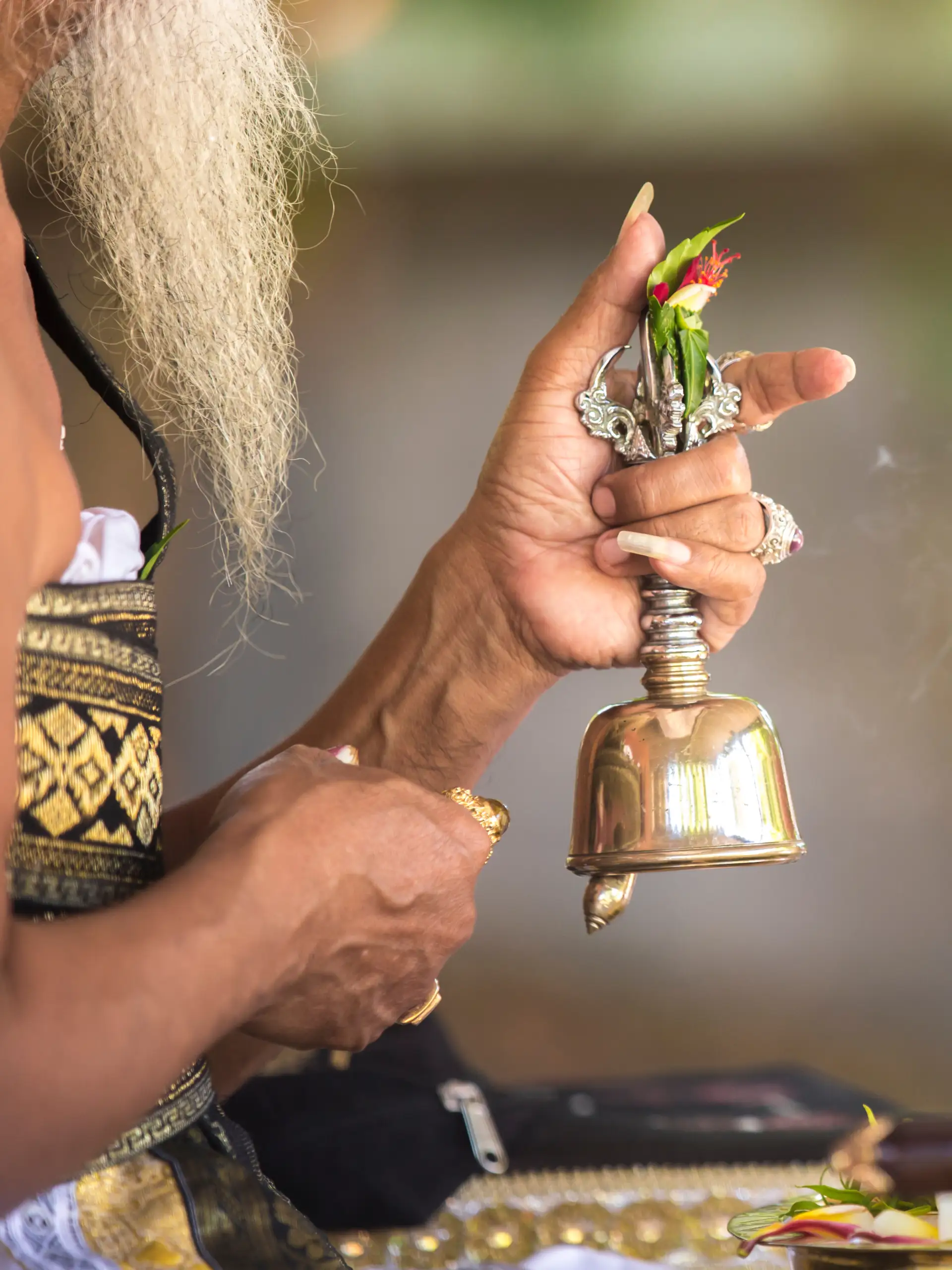
Bali’s southern coast is known for its sunset beach clubs and great surfing, but if you want to experience the island’s true Taksu, meaning spiritual charisma and creative energy, you should head inland. This Bali cultural guide takes you to the island’s spiritual and cultural heart, found in Ubud and the nearby highlands, where ancient traditions continue to shape daily life.
If you want to connect with the soul of the Island of the Gods, this guide will help you explore its most sacred and cultural places.
Table of Contents
1. Ubud: The Epicenter of Art and Wellness
Ubud has been a home for Balinese royalty and a haven for artists for many years. Today, it is still the island’s cultural center.
- Ubud Royal Palace (Puri Saren Agung): Located in the center of town, this is the residence of the local royal family. In the evenings, its courtyard transforms into a stage for traditional Balinese dance performances, such as the Legong and Barong.
- The Sacred Monkey Forest Sanctuary: This forest is more than a place to see macaques. It is home to three sacred temples and reflects the Balinese Hindu philosophy of Tri Hita Karana, which emphasizes harmony among people, nature, and the divine.
- Artisan Villages: Just outside Ubud, you’ll find villages that each focus on a special craft. Go to Celuk for silver and goldwork, or visit Mas for its famous woodcarving.
2. Sacred Water and Purification
In Bali, water is closely connected to spirituality. Ritual purification, called Melukat, is a meaningful experience for both locals and visitors.
- Pura Tirta Empul: This holy water temple, founded in 962 AD, is famous for its sacred springs. Visitors can participate in a ritual bath, moving through the fountains to cleanse their minds and spirits.
- Pura Gunung Kawi: This 11th-century temple complex is nearby and has ten large shrines carved into the cliff. It is a peaceful place with a deep sense of history.
3. The Mother Temple: Pura Besakih
A visit to Pura Besakih is a must for any spiritual journey. This temple sits high on the slopes of Mount Agung, Bali’s most sacred volcano, and is the largest and holiest temple on the island.
- The Complex: Besakih is actually an extensive complex of 23 separate but related temples.
- The Experience: On clear days, you can see misty valleys from the top, creating a magical view. It’s a good idea to hire a local guide to help you understand the different caste and clan connections shown in the shrines.
4. Living Landscapes: Tegalalang and Subak
Bali’s beautiful landscape is shaped by its spiritual beliefs. The famous Tegalalang Rice Terraces are cared for through the Subak system, a traditional water-sharing system recognized by UNESCO.
- The Philosophy: Subak is more than just farming. It is a spiritual community that treats water as a gift from the Goddess of the Lake.
- Best Time to Visit: Come at sunrise to watch the light shine through the palm trees and see the morning mist rise from the green rice fields.
5. Modern Spirituality: Yoga and Sound Healing
Ubud has become a popular destination for people from around the world interested in modern spirituality. Whether you are experienced in yoga or just starting out, the town’s energy is inspiring.
- The Yoga Barn & Radiantly Alive: These institutions offer everything from Hatha yoga to ecstatic dance.
- Pyramids of Chi: For something different, visit these large pyramids outside Ubud for a “Sound Healing” session. Gongs and drums are used to help you relax and meditate.
Respectful Travel: Cultural Etiquette
To truly experience Bali’s heart, one must act with respect toward the traditions that sustain it.
- Dress Code: When entering any temple, you must wear a sarong and a waist sash. These are usually available for rent at temple entrances.
- Mind the Offerings: You will see small palm-leaf baskets called Canang Sari on the ground everywhere. Be careful not to step on them, as they are daily gifts to the gods.
- Physical Conduct: Do not touch a Balinese person, especially a child, on the head because it is the most sacred part of the body. Also, make sure your feet, which are considered the lowest part of the body, are not pointed at shrines or people.
If you want to feel the real spirit of Bali, try going beyond just seeing the main attractions. Take your time, set your map aside, wander through the rice fields in Penestanan, and listen to the gentle sounds of Gamelan music drifting through the trees. This is where you’ll find the Bali that captures everyone’s heart.
Getting to know Bali takes time. If you go beyond the beaches, you’ll discover a culture shaped by devotion, talented artists, and a deep connection to nature. Take a look at our Bali travel guides for local tips, hidden gems, and useful advice to help you see the island differently.
Follow us on Instagram: @indobydesign