
If you thought Mount Rinjani was a challenge, welcome to Papua. This is Indonesia’s final frontier—a land of mist-shrouded peaks, ancient tribal cultures, and the highest point in Oceania. Trekking here isn’t just a hike; it’s an expedition into a world that feels largely untouched by the modern era.
From the technical heights of Carstensz Pyramid to the cultural immersion of the Baliem Valley, Papua offers an experience that is as demanding as it is spiritually rewarding.
1. Top Trekking Destinations
The Baliem Valley (Highlands)
Home to the Dani people, this high mountain valley is the heart of Papua’s culture.
- The Experience: Most treks last around 12 days and involve visiting Dani villages, seeing traditional “mummies,” and witnessing mock battles or pig feasts.
- Landscape: You will navigate steep hills, traditional hanging bridges, and vibrant local markets.
Carstensz Pyramid (Puncak Jaya)
At 4,884m, this is one of the world’s “Seven Summits”.
- The Challenge: This is a highly technical rock climb requiring specialized gear like harnesses, ascenders, and ropes.
- Logistics: Due to the rugged terrain, many expeditions now utilize helicopters to reach the base camp at Yellow Valley (4,300m).
The Arfak Mountains (West Papua)
A paradise for wildlife enthusiasts and birdwatchers.
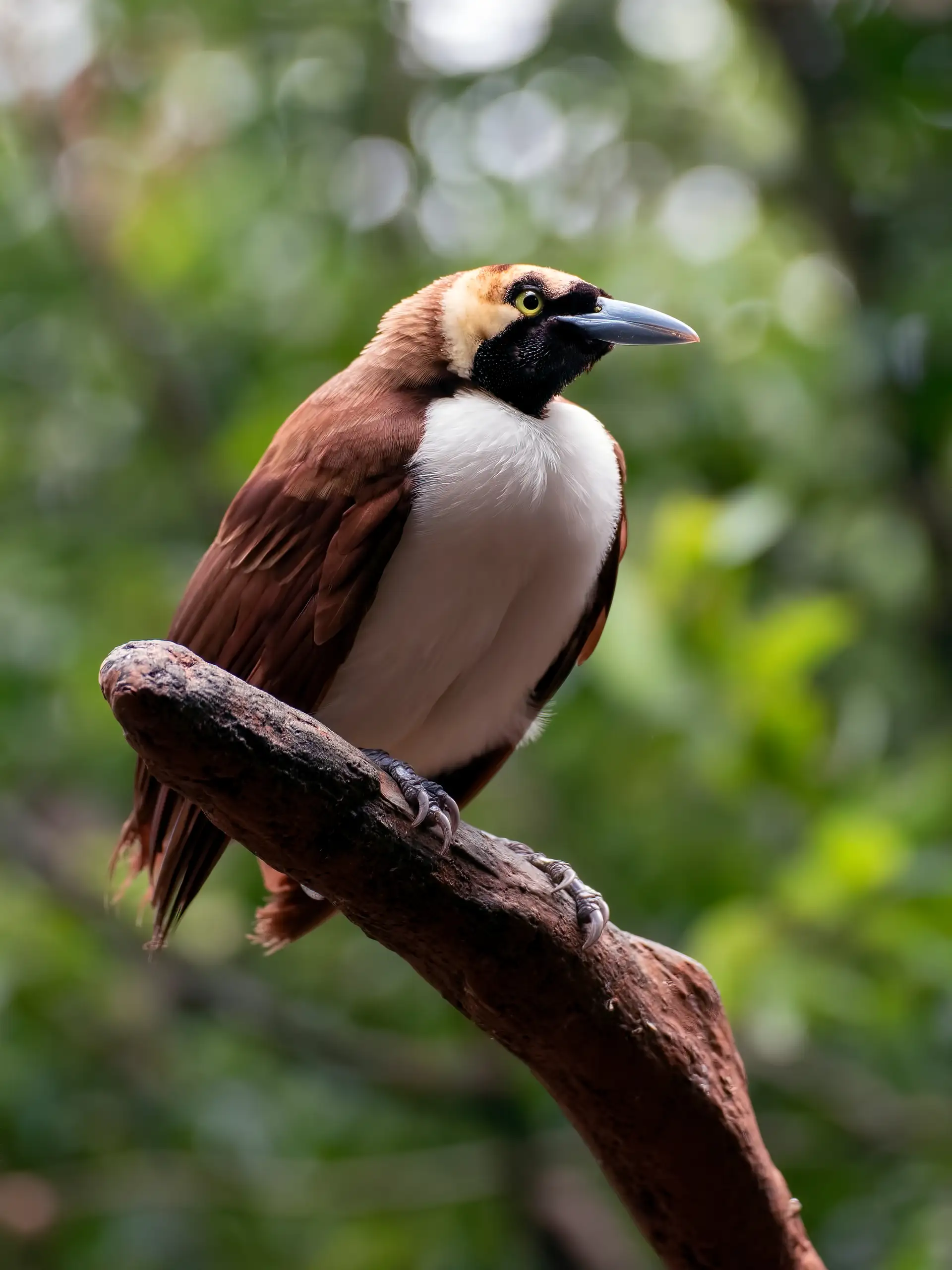
- Biodiversity: This region is famous for endemic species, including the Vogelkop Superb Bird-of-Paradise and the Western Parotia.
- Terrain: Expect dense, misty rainforests and a “challenging yet rewarding” trek through areas with no roads.
2. Essential Practicalities
Permits (Surat Jalan)
Unlike other parts of Indonesia, most remote areas in Papua require a travel permit known as a Surat Jalan.
- You can apply for this at the police headquarters (Polda) in Jayapura.
- You will need your passport, photos, and a copy of your Indonesian visa.
- Note that Raja Ampat and Jayapura city usually do not require this permit.
Health and Safety
Papua requires more medical preparation than your average tropical holiday.
- Malaria: The islands and lowlands are high-risk malaria areas. Prophylaxis like Malarone is strongly recommended.
- Security: Be aware of ongoing civil unrest in Highland Papua (Papua Pegunungan) and Central Papua (Papua Tengah). Travelers are advised to exercise a high degree of caution and monitor local news.
- Vaccinations: Ensure you are up to date on Hep A, Typhoid, and DTP.
3. Best Time to Go
Papua’s climate is unpredictable, but generally:
- Highlands/Carstensz: April to November offers the best chance of dry weather for technical climbs.
- Raja Ampat/Coasts: October to April is the preferred season for coastal exploration and birding.
4. What to Pack
- Rubber Boots: Surprisingly, for many Papuan treks, rubber boots are the most reliable protection against deep mud and snake bites.
- Layers: The temperature varies wildly between the hot, humid lowlands and the freezing highland nights.
- Modest Clothing: Dress conservatively when visiting villages; long sleeves also protect against mosquitoes.
Final Thoughts
Trekking in Papua is not for the faint of heart. It requires patience for logistical delays, respect for indigenous customs, and a high level of physical fitness. But for those who make the journey, the reward is a glimpse into one of the most biodiverse and culturally rich places on Earth.